Groutless Shower Walls: Pros, Cons & Best Materials
Updated June 12, 2026 • 6 min read
Weighing shower types? Our complete Prescott shower guide compares walk-in, tub-to-shower, curbless and groutless side by side, with real installed costs.
Grout maintenance is the number one complaint we hear from homeowners about their existing showers. Pink stains, discoloration, crumbling caulk at corners, and the near-impossibility of keeping white grout white — all avoidable with the right material choice. This guide covers the true groutless options, near-groutless options (large format tile with minimal joints), and the honest trade-offs of each.
What "Groutless" Actually Means
Strictly speaking, a truly groutless shower wall uses large-format panels with sealed seams rather than tile-and-grout construction. The seams (where panels meet at corners and transitions) are typically sealed with a color-matched caulk or silicone — not grout. This is a meaningful distinction: silicone is flexible and water-tight; grout is rigid and porous.
Some homeowners use "groutless" loosely to mean "minimal grout" — large-format tile with tight (1/16") joints. This is a significant improvement over standard grouted tile but technically still has grout. Both are covered below.
Groutless Shower Wall Options
Solid Surface Panels
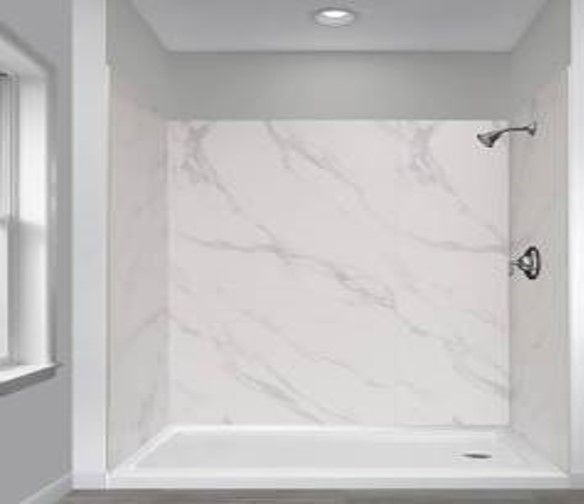
Solid surface (brands include Swanstone, Corian, Wilsonart) is an acrylic or polyester-based material manufactured in large sheets — typically 30"×60" or custom-cut to fit. The panels are completely non-porous, with no grout joints, and the seams are sealed with a color-matched adhesive that bonds panel edges to create an integrated surface.
Pros: Non-porous (mold/mildew cannot penetrate the material), easy to clean, no sealing required, available in marble and stone looks, repairable if scratched. Softer materials can be sanded and buffed.
Cons: Not as hard as porcelain or natural stone; can scratch with abrasives. Color depth is less convincing at close range than actual tile. Fewer design options than custom tile. Price premium over standard tile.
Cost installed: $2,500–$5,000 for a standard 3-wall tub surround or shower enclosure.
Cultured Marble
Cultured marble is a polyester resin mixed with limestone that creates panels with a gel-coat surface finish. It's been used in shower surrounds since the 1970s and remains a practical, cost-effective groutless option. Typically manufactured locally and installed in 3–4 panels.
Pros: Non-porous, easy to clean, integrated with matching vanity top options, modest cost, fast installation.
Cons: The gel-coat finish can yellow with age (particularly with harsh cleaners), can crack if impacted, and visually reads as a lower-tier product in most design contexts. Not recommended with abrasive cleaners.
Cost installed: $1,500–$3,500 for a standard enclosure.
Porcelain Slab (Gauged Tile/Panel)
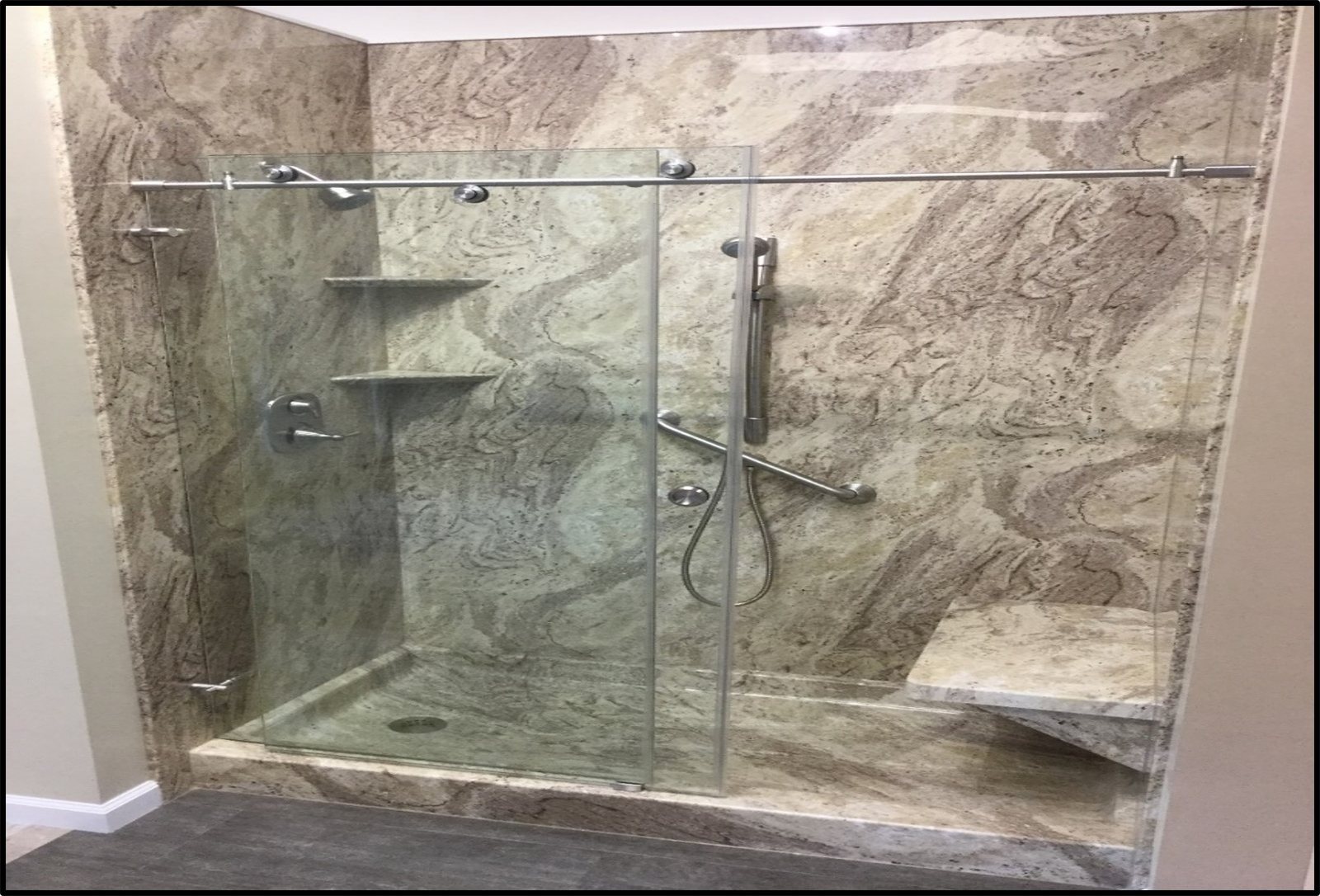
Thin, large-format porcelain panels — sometimes called gauged porcelain tile panels (GPTP) or slabs — are emerging as a high-end groutless option. These range from 48"×96" to full wall sheets with seams only at corners. The look is indistinguishable from stone at close range.
Pros: Porcelain hardness (extremely durable, scratch-resistant), realistic stone aesthetics, truly minimal seam count, non-porous. The highest-end aesthetic in the groutless category.
Cons: High cost, specialized installation requiring experienced tile setters, heavy and difficult to handle, requires proper substrate prep. Not all tile installers have the equipment and experience to handle gauged panels correctly.
Cost installed: $4,500–$9,000+ for a shower enclosure, depending on panel size and complexity.
Near-Groutless: Large Format Tile With Tight Joints
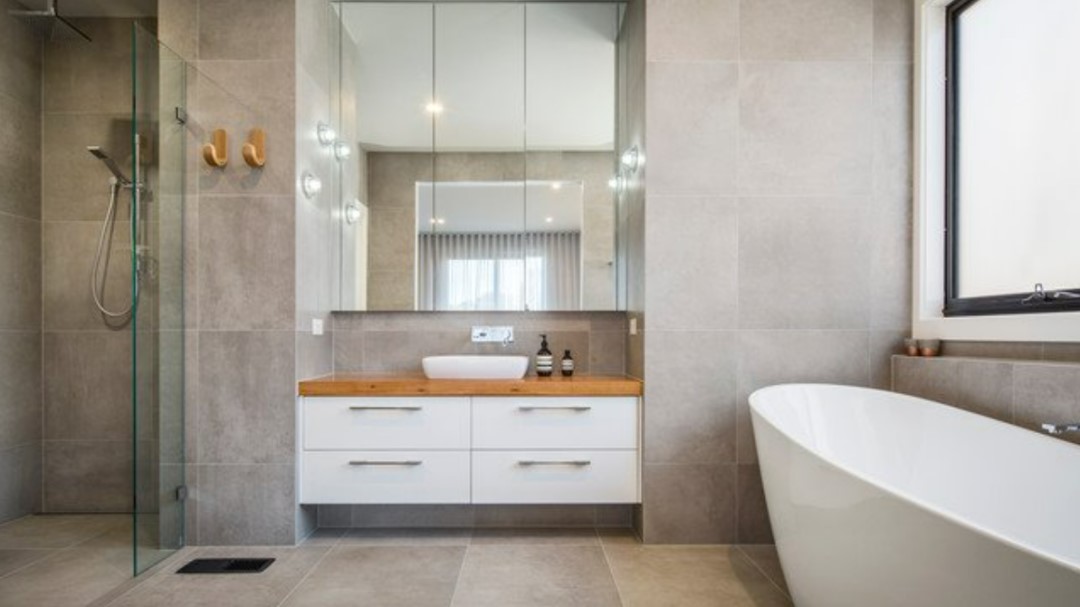
For homeowners who want the look and feel of custom tile but minimal grout maintenance, large-format porcelain tile (12×24, 12×36, 24×48) with 1/16" grout joints using epoxy grout is a practical middle ground:
- Fewer joints = less grout surface area to maintain
- Epoxy grout is non-porous and highly stain-resistant — does not require sealing
- Porcelain tile is harder and less porous than ceramic
- Full design flexibility (colors, textures, patterns, accent strips)
This is the approach we most frequently recommend for Prescott homeowners who want a custom tile look without traditional grout hassle. Epoxy grout costs 15–25% more than standard cement grout and is more labor-intensive to install, but the maintenance savings are significant over the life of the shower.
Material Comparison at a Glance
| Material | Grout Joints | Cost (Installed) | Maintenance |
|---|---|---|---|
| Cultured marble panels | None | $1,500–$3,500 | Very low |
| Solid surface panels | None (sealed seams) | $2,500–$5,000 | Very low |
| Large format tile + epoxy grout | Minimal (1/16") | $3,500–$7,000 | Low |
| Porcelain slab panels | Corner seams only | $4,500–$9,000+ | Very low |
What We Recommend for Prescott Homes
Prescott's hard water (from the limestone aquifer) makes grout maintenance more challenging than in soft-water regions. Mineral deposits accumulate faster in grout lines and are harder to remove. This tilts the calculus further toward groutless or minimal-grout options.
For most mid-range bathroom remodels, we recommend solid surface panels or large-format porcelain with epoxy grout, depending on the aesthetic goal. Solid surface is the right call when budget efficiency and minimal maintenance are the top priorities. Large-format tile with epoxy grout is right when design flexibility and a custom look matter more than installation speed.
Porcelain slab panels are available through our suppliers and appropriate for premium bathrooms where budget is less constrained.
Frequently Asked Questions
Can I install groutless shower walls over my existing tile?
Generally not recommended. Installing panels over existing tile adds thickness that can interfere with door frames, fixtures, and waterproofing. Any underlying moisture issues or adhesion problems get buried rather than resolved. Proper removal of existing tile and fresh substrate prep produces a longer-lasting result. In a tub-to-shower conversion, this is handled automatically during demo.
How long do solid surface shower panels last?
With proper installation and basic care (avoiding abrasive cleaners), solid surface panels commonly last 20–30+ years. The material is repairable — surface scratches can be sanded and buffed out, which isn't possible with tile. The main limitation is color availability; if you remodel the rest of the bathroom later, matching the panel color may be difficult.
Is groutless the same as "one-day shower" systems?
Some companies market one-day shower systems using prefab acrylic panels. These share the same concept but use lower-grade acrylic with a thinner wall section. Quality solid surface from manufacturers like Swanstone uses a thicker, denser material that is more durable. We install solid surface, not the thinner one-day systems, because the quality difference is significant over a 20+ year lifespan.
Can I get a niche (recessed shelf) in a groutless shower?
Yes — solid surface niches can be ordered pre-cut from the manufacturer or field-fabricated and sealed with color-matched adhesive. This is a standard feature request. Porcelain slab showers can also incorporate niches with a trim detail. The result is seamless and water-tight when done correctly.
Done With Scrubbing Grout?
We'll show you groutless and low-maintenance shower options that work for your bathroom and budget. Schedule a free consultation today.
Schedule a Free ConsultationRelated Shower Resources
Comparing against a traditional grouted wall? See our shower grout guide for grout types, sealing, and cleaning.