Small Kitchen Remodeling in Prescott — Maximum Impact, Minimum Space
Small Kitchen, Big Transformation
A small kitchen does not have to feel cramped or dysfunctional. The difference between a kitchen that feels tight and one that feels efficient comes down to three things: layout, storage, and light — not square footage. When every cabinet, every countertop inch, and every light fixture is positioned with intention, a compact kitchen can outperform a much larger one that was never properly planned. At Infinity Kitchens and Baths, we specialize in turning Prescott’s smaller kitchens into spaces that feel open, organized, and genuinely enjoyable to use.
Many of Prescott’s older homes — particularly those built in the 1970s through the 1990s — feature kitchens that were designed with a different lifestyle in mind. Closed-off floor plans were the standard. Kitchens were tucked behind walls, separated from dining rooms, and built without islands or peninsulas because open-concept living simply was not the norm. The result is a generation of homes with galley kitchens that lack natural light, wasted corner cabinet space that nobody can reach, insufficient countertop workspace, and layouts that create traffic jams the moment two people try to cook at the same time. Sound familiar? These are the exact problems we solve every week for Prescott homeowners.
What makes our approach different is that we do not ask you to imagine the transformation — we show it to you before we ever pick up a demo hammer. Using CAD design software, our team creates a precise digital model of your new kitchen so you can see exactly where the new island will sit, how the cabinets will flow to the ceiling, and how the new lighting will change the feel of the space. By the time we begin work, there are no surprises. If you are ready to explore what is possible, visit our main kitchen remodeling page or call us today for a free in-home consultation.
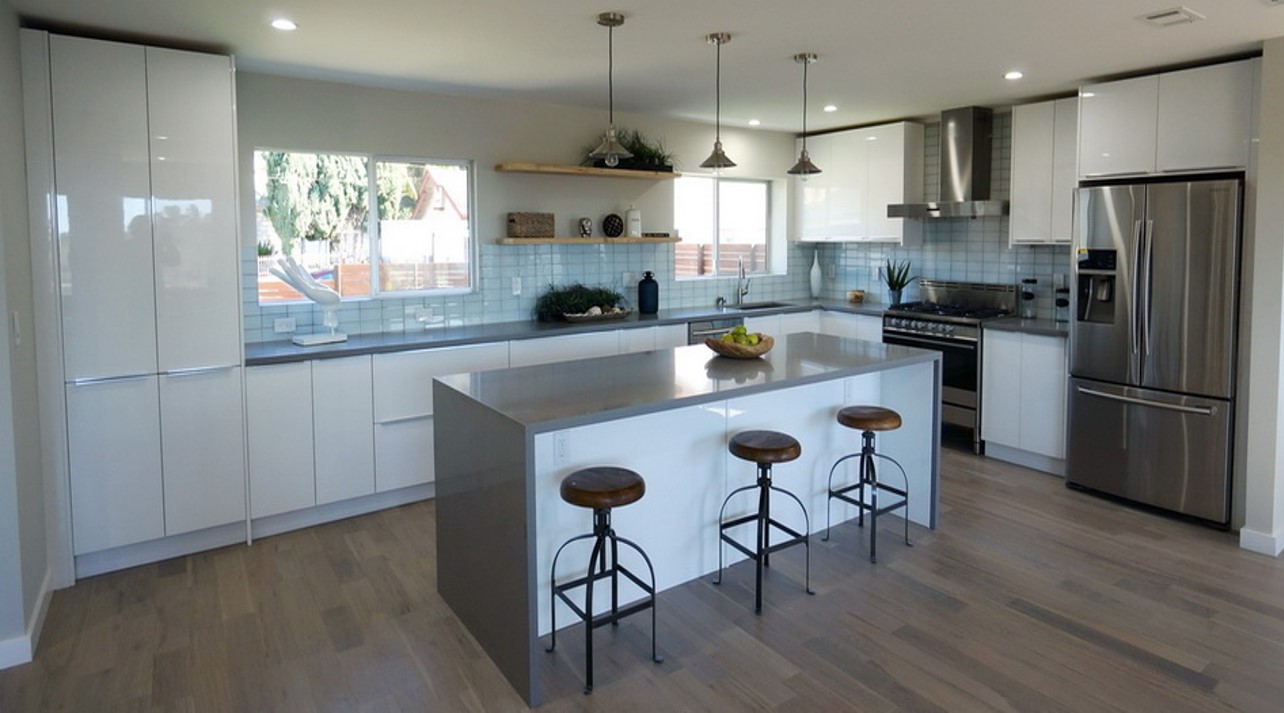
Small Kitchen Design Strategies That Actually Work
These are not generic tips from a home magazine — they are the specific moves we make on real Prescott kitchen projects to unlock space, improve flow, and bring in more light.
Open-Concept Conversion
Removing a non-load-bearing wall between the kitchen and living or dining area is often the single highest-impact change you can make. It eliminates the claustrophobic feel of a closed kitchen, floods the space with natural light from adjacent windows, and creates a connected floor plan that feels dramatically larger. We assess the wall structure, handle any required permits, and manage the full conversion from start to finish.
Vertical Storage
Most small kitchens stop their upper cabinets at eight feet while the ceiling continues to nine or ten. That gap above the cabinets collects dust and wastes valuable storage space. Extending cabinets all the way to the ceiling adds meaningful storage while drawing the eye upward and making the room feel taller. Paired with pull-down shelf systems for the highest cabinets, vertical storage turns wasted air space into practical organization.
Light Colors & Reflective Surfaces
Color and material choices have a significant psychological effect on perceived space. White and light-toned cabinets reflect ambient light rather than absorbing it, making the room feel brighter and more open. Glossy backsplash tiles bounce light around the room. Glass-front upper cabinet doors break up visual mass while showing off your dishware. These choices cost no more than darker alternatives yet deliver a consistently larger-feeling kitchen.
Smart Layout Changes
Sometimes a small kitchen simply has the wrong layout. Moving the sink from a wall cabinet to an island, relocating the refrigerator to create a true work triangle, or converting a one-wall kitchen to an L-shape can transform workflow completely. Our design team uses CAD planning to model these changes and verify clearances before any plumbing or electrical work is moved — so the finished layout is functional, not just theoretical.
Compact Appliance Options
Switching from a 36-inch range to a 30-inch model can free up six inches of counter space — enough to add a meaningful prep area. Counter-depth refrigerators align flush with the cabinet face instead of protruding several inches into the kitchen, which noticeably opens the circulation path. These are small changes that compound quickly in a tight footprint, and they do not require sacrificing cooking performance or refrigerator capacity.
Under-Cabinet & Recessed Lighting
Dark corners are one of the most common complaints in small kitchens. A single overhead fixture creates shadows on countertops, making the workspace feel smaller and harder to use. Under-cabinet LED strips illuminate the counter surface directly, while recessed ceiling lights eliminate overhead shadows entirely. Layered lighting transforms the visual quality of a small kitchen without changing a single dimension of the space.
Choosing the Right Countertop for a Small Kitchen
How Color and Material Affect Perceived Space
In a small kitchen, the countertop is one of the largest horizontal surfaces the eye lands on, which means its color and material have an outsized effect on how spacious the room feels. Light-colored countertops — white quartz, light gray marble-look porcelain, pale quartzite — reflect natural and artificial light upward, creating an airy, open feel. Darker countertops can certainly be used effectively, but they require more intentional lighting design to avoid making the room feel heavier.
One of the most effective tricks in a small kitchen is matching the backsplash material or color closely to the countertop. When the eye travels along the counter and continues up the wall without a jarring contrast change, the perception of horizontal space extends. A consistent white quartz counter paired with a white subway tile backsplash, for example, reads as one continuous surface rather than two separate elements competing for attention. Visit our custom countertops page to explore the full range of materials we offer.
Edge Profiles and Full-Height Slab Backsplash
In smaller kitchens, edge profile selection matters more than most homeowners realize. Thick, decorative profiles like ogee or stacked bullnose add visual mass to the edge of the counter, which can make the space feel denser. Eased or pencil-edge profiles keep the counter visually thin and sleek — a better fit for compact footprints where every line should read as clean and simple rather than ornate.
For the ultimate in visual continuity, consider a full-height slab backsplash that runs the same stone or quartz material from the countertop all the way up to the upper cabinets. This eliminates the tile grout grid entirely, creates a seamless wall of material, and makes the kitchen feel polished and intentional. It is particularly effective on the range wall where the backsplash has maximum visibility. Our team can walk you through slab backsplash options when you schedule your design consultation.
Cabinet Tricks for Small Kitchens
Cabinets occupy more visual and physical space in a kitchen than any other element. In a compact kitchen, the right cabinet choices can double your usable storage while simultaneously making the room feel more open.
Maximize Storage
- →Pull-out shelves in base cabinets: Standard base cabinet shelves waste the back half of the cabinet. Pull-out shelves bring everything within reach and effectively double your usable storage in every base unit.
- →Drawer banks instead of doors: Replacing two-door base cabinets with deep drawer stacks gives you organized, visible storage for pots, pans, and dry goods without digging behind doors.
- →Lazy Susan in corners: Corner cabinets are notorious dead zones. A well-installed lazy Susan or blind-corner pull-out converts otherwise inaccessible corner space into one of the most-used storage spots in the kitchen.
- →Deep drawer utensil organizers: Built-in drawer inserts keep utensils, spices, and small tools sorted and visible. No more rummaging through tangled drawers — everything has a place.
Maximize Visual Space
- →Glass-front upper cabinets: Replacing solid upper cabinet doors with glass fronts breaks up visual mass and creates a sense of depth. The interior becomes part of the design rather than a closed wall.
- →Open shelving on one wall: Removing the upper cabinet doors from a single wall section and installing open shelves creates an airy, intentional look while maintaining display and storage functionality.
- →Handle-less and integrated pulls: Flush or integrated cabinet pulls create a streamlined, uninterrupted cabinet face. In tight kitchens, eliminating protruding hardware also reduces the chance of catching clothing while navigating the space.
- →Cabinet color that blends with walls: Painting cabinets in a color close to the wall color reduces the visual contrast between surfaces, which makes the room read as a unified whole rather than a collection of boxes stacked together.
Explore the full range of cabinet styles, finishes, and configurations we offer on our kitchen cabinets page.
Our Small Kitchen Remodeling Process
From the first phone call to the final walkthrough, every step is designed to keep you informed, on schedule, and confident in the outcome.
Free In-Home Design & Layout Assessment
We visit your home, measure the existing kitchen, photograph the space, and talk through your goals, wishlist, and budget. We pay close attention to structural constraints — load-bearing walls, plumbing stacks, and electrical panels — that affect which changes are straightforward and which require additional planning. This first visit is free, no-obligation, and gives us everything we need to build an accurate proposal.
Space Planning & CAD Design
Using CAD software, our design team creates a precise digital model of your new kitchen. You can see the new layout, cabinet configuration, countertop materials, and lighting plan before any work begins. This step eliminates guesswork, allows for revisions before there are any costs associated with changing course, and gives you the confidence to approve the design knowing exactly what the finished space will look like.
Demo & Structural Changes (If Any)
With the design approved and materials ordered, we begin demolition. For open-concept conversions, this phase includes wall removal, temporary support installation, structural beam placement where required, and any associated plumbing or electrical rerouting. We keep the work area contained, protect adjacent living spaces, and keep you updated at each phase transition so there are no surprises.
Cabinet, Countertop & Appliance Installation
Cabinets are installed level and plumb, with crown molding to the ceiling if specified. Countertops are templated after cabinet installation to ensure a perfect fit, then fabricated and set. Appliances are connected and tested. This phase is where the CAD design becomes reality — and where clients consistently tell us it looks even better in person than it did on screen.
Backsplash, Lighting & Final Walkthrough
Tile work and backsplash installation are completed, under-cabinet and recessed lighting is wired and tested, and all finish work — trim, paint touch-ups, hardware — is completed. We then walk through the finished kitchen with you item by item. We do not consider the project complete until every detail meets your expectations. Our team provides care instructions for every surface material and is available for follow-up questions after project completion.
Related Kitchen Services
Small kitchen remodeling often connects with these broader services. Explore what Infinity Kitchens and Baths offers across the full kitchen renovation scope.
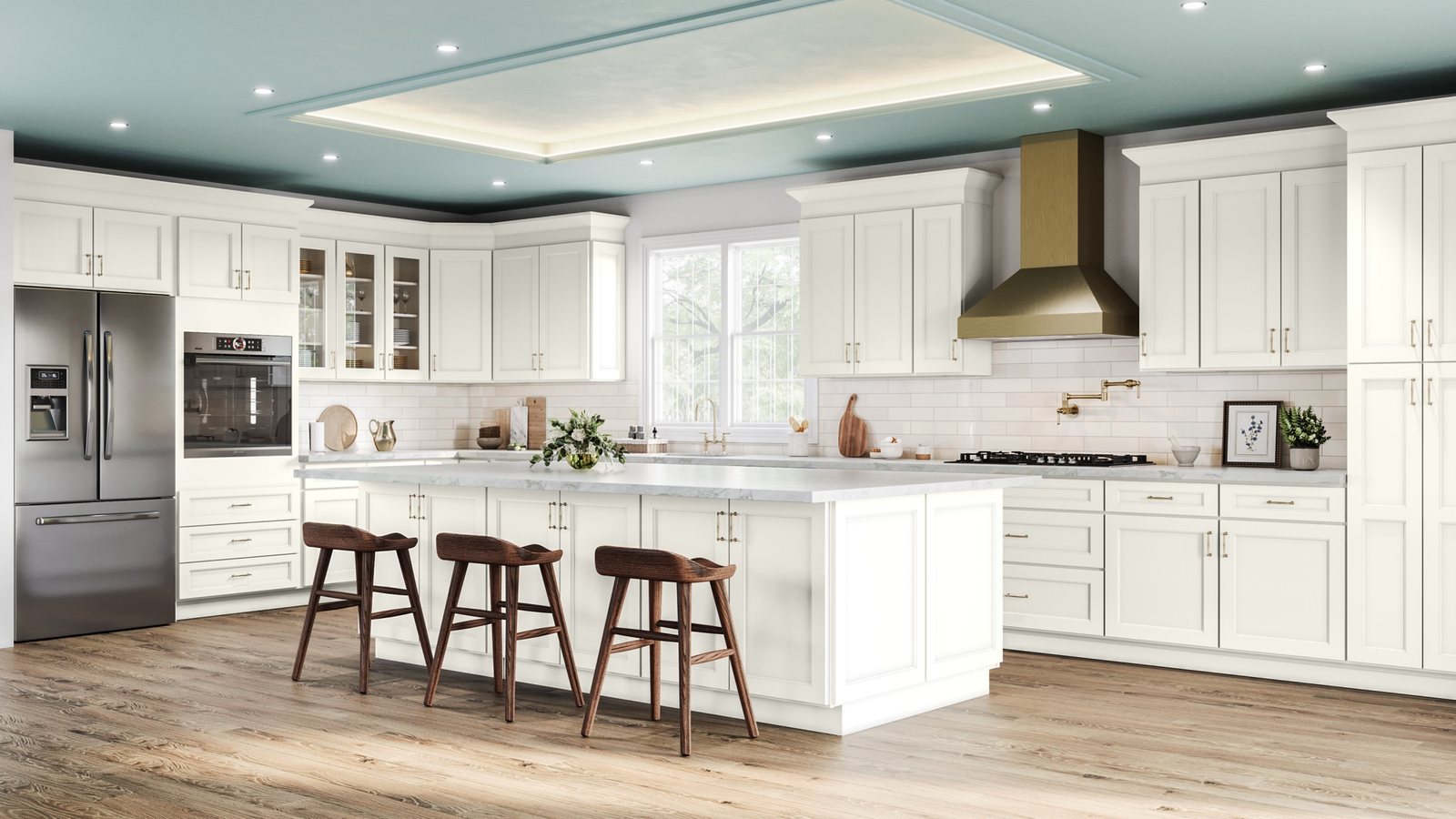
Full Kitchen Remodeling
From layout changes to new cabinets, countertops, and appliances — a complete kitchen transformation tailored to your home and lifestyle.
Learn More →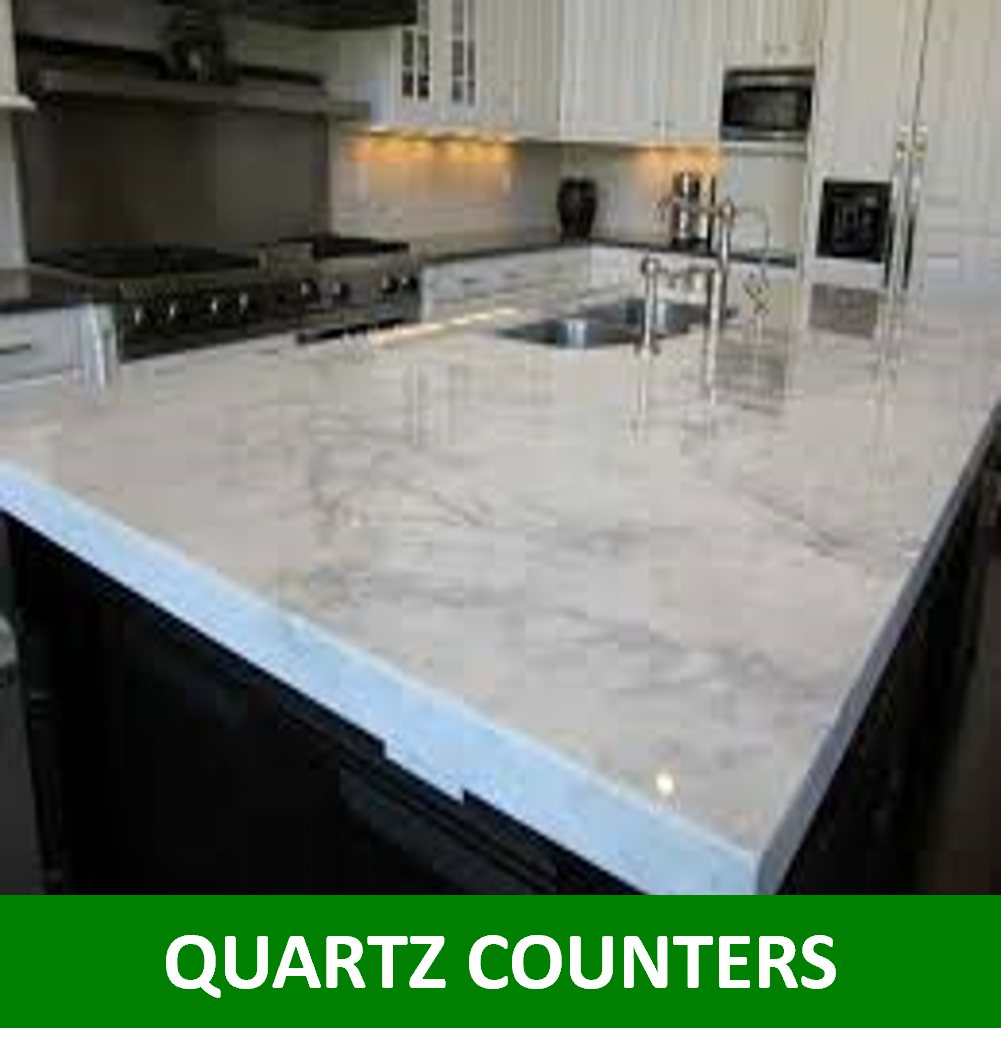
Countertops
Quartz, granite, quartzite, and porcelain slab countertops fabricated and installed in-house. Factory-direct pricing with no middlemen.
Learn More →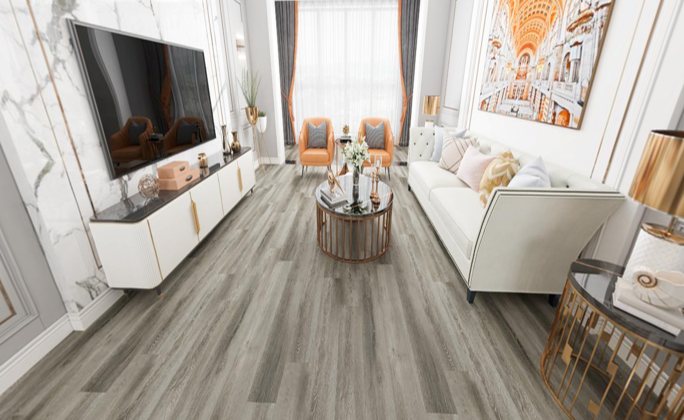
Kitchen Flooring & LVP
Waterproof luxury vinyl plank flooring is the ideal choice for small kitchens — durable, easy to maintain, and available in dozens of styles.
Learn More →Small Kitchen Remodeling Is Part of Our Full Kitchen Service
Whether your project is strictly limited to a compact galley kitchen or expands into a broader renovation, Infinity Kitchens and Baths handles every trade in-house — from design through final installation.
Explore Full Kitchen RemodelingSmall Kitchen Remodeling FAQ
Let’s Make Your Small Kitchen Work Harder
Every small kitchen has untapped potential. Our team will come to your home, assess your space, and show you exactly what is possible — at no cost and no obligation. Serving Prescott, Prescott Valley, Chino Valley, and all of Yavapai County.