Tub-to-Shower Conversion: Cost, Timeline & What to Expect
Updated June 9, 2026 • 7 min read
Weighing shower types? Our complete Prescott shower guide compares walk-in, tub-to-shower, curbless and groutless side by side, with real installed costs.
Quick answer: A tub-to-shower conversion in Prescott, AZ typically costs $8,000–$22,000 for most projects, with simpler conversions starting around $8,000–$16,000 and high-end or fully custom builds running up to $50,000. Pricing covers demo, waterproofing, tile or solid-surface walls, glass, and fixtures; a curbless, zero-threshold conversion adds roughly $1,500–$3,000 for subfloor work. Infinity Kitchens and Baths (AZ ROC #339999) has handled tub-to-shower conversions across Prescott since 2011.
Converting a bathtub to a walk-in shower is the most common bathroom remodel we do in Prescott. The reason is consistent across almost every client who calls us: they don't use the tub, the space feels wasted, and they want a shower they'll actually enjoy. The conversion delivers immediately — more usable space, easier cleaning, better access, and usually a significant visual upgrade over a builder-grade tub surround.
This guide covers real costs, what drives the price up or down, the actual construction timeline, and what to watch out for when getting quotes.
Tub-to-Shower Conversion Cost in Prescott
In Yavapai County, licensed tub-to-shower conversions typically run:
| Project Scope | Typical Cost Range | What's Included |
|---|---|---|
| Basic conversion (acrylic or solid surface panels) | $4,500–$8,000 | Tub removal, shower pan, prefab walls, valve, door |
| Mid-range tile shower | $8,000–$16,000 | Tub removal, waterproofing, custom tile walls and floor, niche, valve, frameless glass door |
| Curbless / barrier-free walk-in | $11,000–$22,000 | Floor restructuring for linear drain, custom waterproofing system, large format tile, frameless glass enclosure |
| Luxury / full bathroom remodel | $22,000–$50,000+ | Walk-in conversion plus vanity, flooring, lighting, and all finishes |
What Drives Cost Up or Down
Shower Wall System Choice
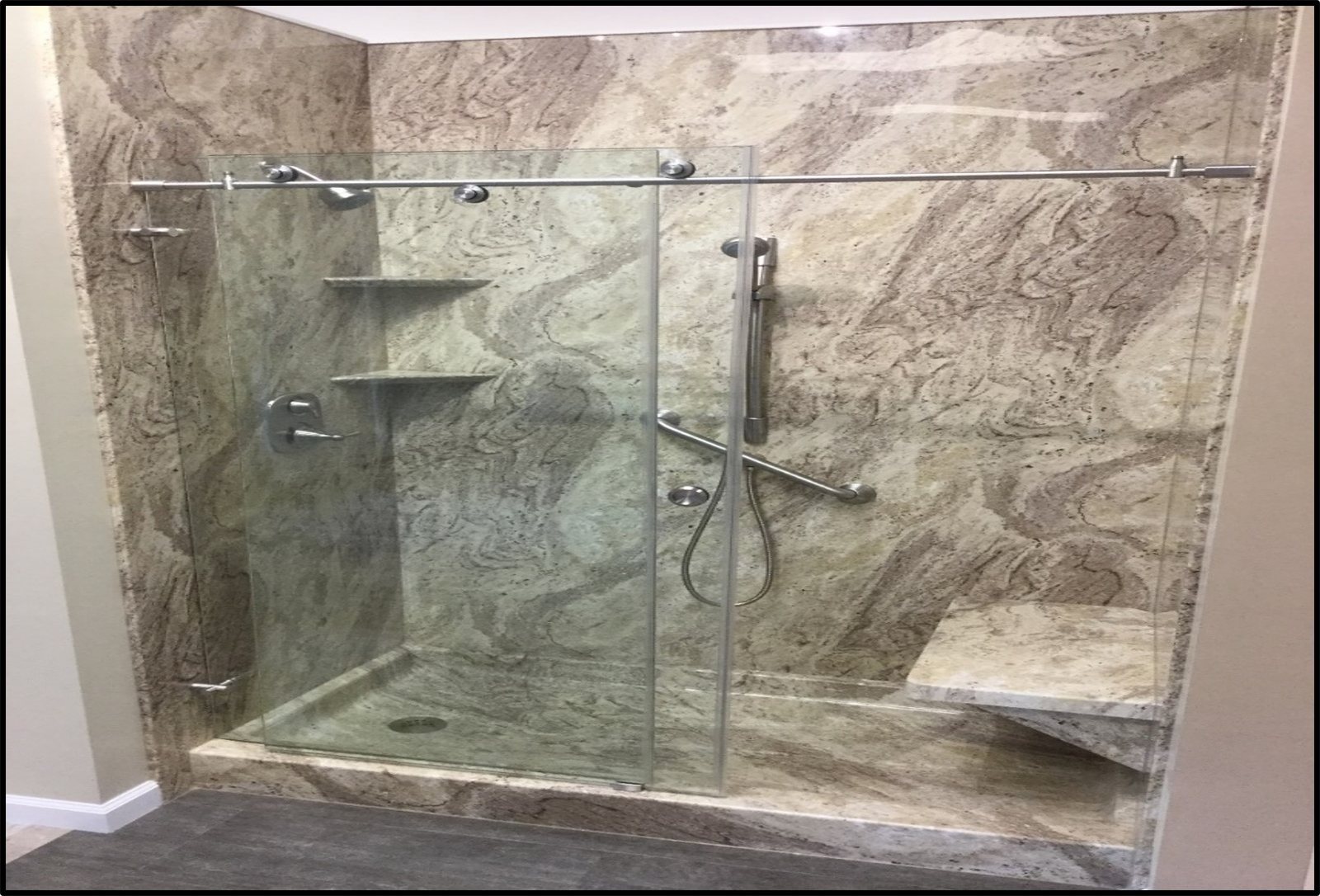
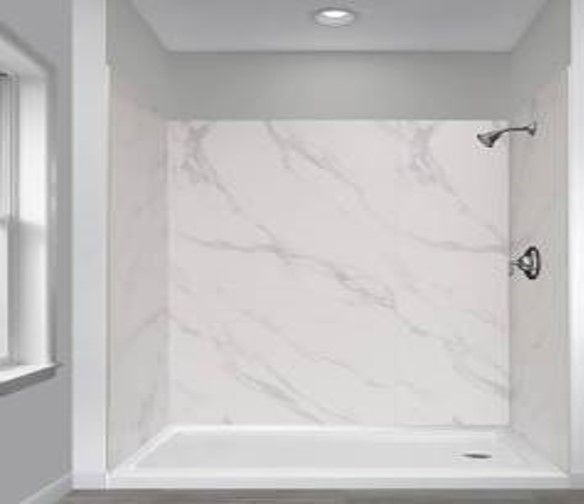
The wall covering is the biggest single cost variable. A solid surface panel system (like Swanstone or acrylic) installs faster and costs less than custom tile. Custom tile gives you infinite design flexibility and lasts longer but requires more skilled labor and takes more time. For a straight tub-to-shower conversion where budget is a priority, solid surface panels deliver a clean, waterproof result at a lower cost.
Curbless vs. Curbed Shower
A traditional curbed shower (with a threshold) can typically reuse the existing drain location with minimal subfloor work. A curbless or zero-threshold shower requires restructuring the subfloor to create the correct slope for a linear drain — typically $1,500–$3,000 in additional structural and plumbing work. Worth it for accessibility (ADA and aging in place design), but it's a real cost difference.
Hidden Conditions
Older Prescott homes — particularly 1970s and 1980s construction — sometimes reveal moisture damage, old galvanized drain lines, or inadequate subfloor framing when the tub comes out. We always include a provisional line for substrate repair in our estimates. Budget 10–15% contingency above your quoted price.
Timeline: What to Expect Week by Week
For a typical mid-range tub-to-shower conversion (tile walls, custom pan or shower base, frameless glass door):
| Phase | Duration |
|---|---|
| Design selection and material ordering | 2–4 weeks |
| Demo (tub and surround removal, substrate inspection) | 1 day |
| Plumbing rough-in and drain relocation (if needed) | 1–2 days |
| Waterproofing and backer board | 1 day |
| Tile installation (floor, walls, niche) | 2–4 days |
| Grout cure time | 24–48 hours |
| Frameless glass door/enclosure measurement and fabrication | 7–14 days |
| Glass installation and final trim | Half day |
Total: 3–5 weeks from project start to usable shower, with the glass door fabrication typically the longest wait. We schedule glass measurement after tile is complete so the measurement is off the finished surface.
Should You Keep One Tub in the House?
If you have more than one bathroom, you're generally free to convert the secondary bath's tub without affecting resale value. If you have a single tub in the home, some real estate guidance suggests keeping it for families with young children. In Prescott's retirement-heavy demographic, however, a well-executed walk-in shower conversion in a primary bathroom is frequently viewed as a value-add rather than a negative — especially with curbless design that signals accessibility.
Our honest take: if you don't use the tub and you're staying 5+ years, convert it. The enjoyment of a shower you actually want to use every day outweighs the marginal resale concern, which varies significantly by buyer.
Frequently Asked Questions
Can I convert one tub to a shower and keep my other tub?
Absolutely — and that's the most common scenario. Most Prescott homeowners convert the primary bathroom tub while keeping the guest or hall bath tub for visitors or resale flexibility. The primary bath conversion gives you the daily experience upgrade where it matters most.
What's the difference between a shower pan and a tiled floor?
A shower pan (also called a shower base) is a prefabricated, single-piece floor — usually acrylic, fiberglass, or solid surface. It's faster to install and has no grout lines to maintain. A tiled shower floor is built in place with custom waterproofing and individual tile — more design flexibility, higher cost, more grout maintenance. Both are valid options; the right choice depends on your budget and aesthetic goals.
Does a tub-to-shower conversion require a permit in Prescott?
Sometimes, depending on the scope of plumbing work — but we handle all required permits and inspections for your project, so it's nothing you need to manage yourself.
How long will I be without a shower?
During active tile installation you'll be without that shower for 3–7 days depending on scope. If you have a second bathroom, schedule accordingly. If it's your only shower, we can often stage work to minimize the interruption or discuss temporary arrangements.
Ready to Replace That Unused Tub?
We'll come see your bathroom, walk you through the options, and give you a clear quote. No surprises, no pressure.
Schedule a Free Consultation