Kitchen Backsplash Ideas That Never Go Out of Style
Updated May 22, 2026 • 7 min read
Part of our Kitchen Design & Planning Guides — see all 8 guides in this category.
The kitchen backsplash gets updated more often than any other element in a kitchen. It's one of the smaller surfaces in the room by square footage, but one of the most visible — positioned at eye level, usually behind the range and sink where you spend most of your time. Because it's relatively affordable to change, it also attracts the most trend-chasing, which is exactly why choosing a design that holds up over time matters more than picking whatever's most popular right now.
This guide covers the options that have genuinely earned staying power, along with guidance on materials, layouts, and what to avoid in Prescott's dry climate.
The Classics: Options That Always Work
Classic Subway Tile
The 3×6-inch subway tile has been installed in American kitchens for over 100 years and will continue indefinitely. The proportions are fundamentally right — the horizontal rectangle suits the horizontal orientation of a backsplash naturally. White subway tile with a light grey grout in a running bond (offset) pattern is the kitchen backsplash equivalent of a white dress shirt: always appropriate, never wrong, always readable.
What makes subway tile feel fresh or dated is the specific execution, not the tile itself. A crackle glaze, a beveled edge, or a handcrafted ceramic with variation in the surface all update the look while keeping the scale. What dates it is the combo of white tile + white grout (joint lines disappear entirely, which reads flat) or the combination with dated cabinetry and hardware.
Arabesque and Zellige Tile
Zellige (handmade Moroccan ceramic with irregular glaze and surface) and arabesque-shaped tiles (the oval "lantern" shape) both have significant longevity because they reference historical craft traditions rather than contemporary trend cycles. The slight irregularity of handmade ceramic reads as genuinely artisanal rather than machine-produced. These read beautifully with both traditional and transitional kitchen designs — particularly common in Prescott craftsman and Mediterranean-influenced homes.
Natural Stone Mosaic (Small Format)
Travertine, marble, or limestone mosaic in a 1×2 or 2×2 format ties the backsplash to natural material that has been used in kitchens for centuries. The grout-line density of small-format mosaic is higher, which means more maintenance — but the visual texture and depth are unmatched. For a kitchen near Prescott's limestone aquifer region, a travertine or limestone mosaic has a regional material story worth telling.
Contemporary Directions With Staying Power
Large Format Tile (12×24 and Up)
Large format tile — 12×24, 12×36, or slab-look panels running full height from countertop to upper cabinets — reads clean because fewer grout lines mean fewer visual interruptions. This direction works particularly well in contemporary and transitional kitchens where the design goal is visual quiet. The backsplash becomes a surface rather than a collection of pieces.
For Prescott homes, large format porcelain with a stone look (marble-look, travertine-look, concrete-look) connects the design to regional material references without the maintenance requirements of natural stone. Rectified large-format tile with minimal grout joints (1/16 to 1/8 inch) is the current high-end installation standard.
Full-Height Backsplash (Counter to Upper Cabinet)
Running the backsplash the full height between the countertop and the upper cabinets — typically 18–24 inches — rather than the older standard of 4–6 inches of tile feels more intentional and generous. This is increasingly common in kitchen remodels where the upper cabinets extend to the ceiling, making the full-height backsplash a design decision that reinforces the vertical scale of the room.
Slab Backsplash (Matching Countertop)
Using the same slab material as the countertop for the backsplash — particularly behind the range — creates visual continuity and significantly reduces grout maintenance. A single quartz or quartzite piece running countertop-to-upper-cabinet with book-matched or waterfall detailing is a high-end look with a genuine functional advantage: near-zero maintenance compared to grouted tile.
Material Comparison
| Material | Cost (Installed) | Maintenance | Longevity |
|---|---|---|---|
| Ceramic subway tile | $8–$18/sq ft | Low (sealed grout) | 30+ years |
| Porcelain (large format) | $14–$28/sq ft | Very low (minimal grout) | 30+ years |
| Natural stone mosaic | $18–$38/sq ft | Medium (reseal annually) | Indefinite (with care) |
| Zellige / handmade ceramic | $22–$50/sq ft | Low–medium | 20+ years |
| Quartz slab (matching countertop) | $45–$85/linear ft | Very low (no grout) | 30+ years |
| Glass tile | $18–$45/sq ft | Low (non-porous) | 15–25 years (color may shift) |
Grout Color: The Decision Most People Underestimate
The grout color does more design work than the tile in most backsplashes. A few principles that hold across materials:
- Matching grout (same tone as tile): Minimizes the pattern, emphasizes the surface texture. Good for when you want the tile material to read, not the grid.
- Contrasting grout (darker with light tile): Makes the tile layout the visual statement. Classic with white subway tile — but use light grey rather than charcoal, which dates quickly.
- Warm-toned grout: Works better with cream, warm white, and earthy tiles than cool grey grout does. A cool grey grout with a warm cream tile creates visual conflict.
- Epoxy grout: Non-porous, stain-resistant, and doesn't require sealing. Costs 15–25% more than cement grout. Worth it for a backsplash behind a cooking range.
What to Avoid in Prescott's Climate
Prescott sits at 5,400 feet with low humidity and significant temperature swings between winter and summer. Two notes specific to this climate:
- Natural stone in kitchens with hard water: Prescott's water supply is high in minerals (limestone aquifer). Unsealed natural stone near a sink will show water spots and mineral deposits. If you choose natural stone near the sink, seal it at installation and once annually, and wipe the area dry habitually.
- Peel-and-stick tile: Adhesive backsplashes fail in temperature-variable climates. The adhesive softens in summer heat and contracts in winter cold, resulting in tiles that lift and separate within 2–3 years. Not appropriate for permanent installation in Arizona.
Layout and Pattern Choices
The same tile installed in different patterns reads very differently. From most traditional to most contemporary:
- Running bond (staggered / brick pattern): The standard offset pattern. Works for virtually every kitchen style. Classic, durable design choice.
- Stack bond (grid, all joints aligned): More contemporary, slightly more formal. Shows grout variation more clearly — requires precise installation.
- Herringbone: More dynamic direction of movement. Adds visual interest without changing the tile itself. Works well for accent areas like behind the range.
- Vertical stack: Elongates the backsplash, which reads well in kitchens with tall ceiling-height cabinets. Less common, more distinctive.
Frequently Asked Questions
How much does a kitchen backsplash cost in Prescott?
For a typical kitchen backsplash (roughly 30–40 square feet), expect $400–$800 for materials and $600–$1,200 for labor, totaling $1,000–$2,000 for a mid-range ceramic or porcelain tile installation. Natural stone, specialty tile, or a slab backsplash behind the range will increase the cost to $2,500–$5,000+. These are 2025 ranges for licensed installation in Yavapai County.
What's the most durable backsplash material?
Porcelain tile is the most durable per dollar — it's harder than ceramic, non-porous even without sealing, heat-resistant, and impervious to moisture. Quartz slab is the premium option with near-zero maintenance (no grout lines, completely non-porous). Natural stone is durable when sealed but requires ongoing care, particularly in hard-water areas like Prescott.
Should the backsplash match the countertop?
Not necessarily — but it should relate. The backsplash should pull one color from the countertop, the cabinets, or both, creating a visual connection without matching exactly. A white quartz countertop with subtle grey veining pairs naturally with a light grey tile or a white tile with grey grout — the grey creates the link without duplication.
Can I install a backsplash over existing tile?
Technically yes, but we rarely recommend it. Tiling over tile adds height, which can create a ledge where the countertop meets the backsplash, and any existing issues (loose tiles, compromised adhesive, moisture) get buried rather than resolved. In most kitchen remodels, removing the existing tile and starting fresh produces a better long-term result and isn't significantly more expensive.
Ready to Design Your Kitchen Backsplash?
We carry samples and can show you combinations of tile, grout, and countertop that work together. Schedule a free consultation.
Schedule a Free ConsultationRelated Kitchen Resources
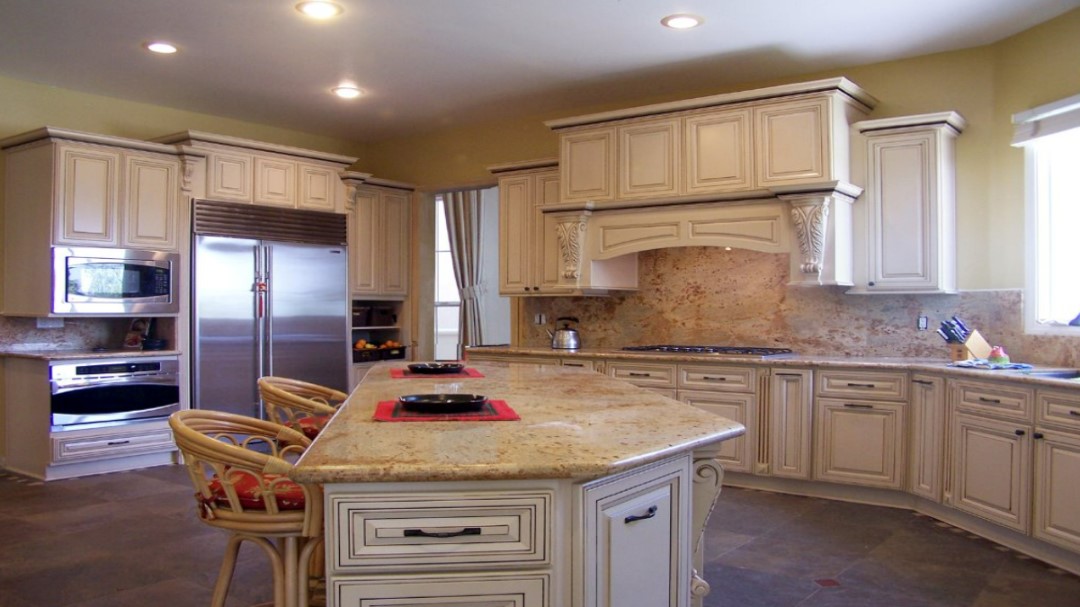
Backsplash & Tile Service
Professional tile installation for kitchens and bathrooms in Prescott and Yavapai County.
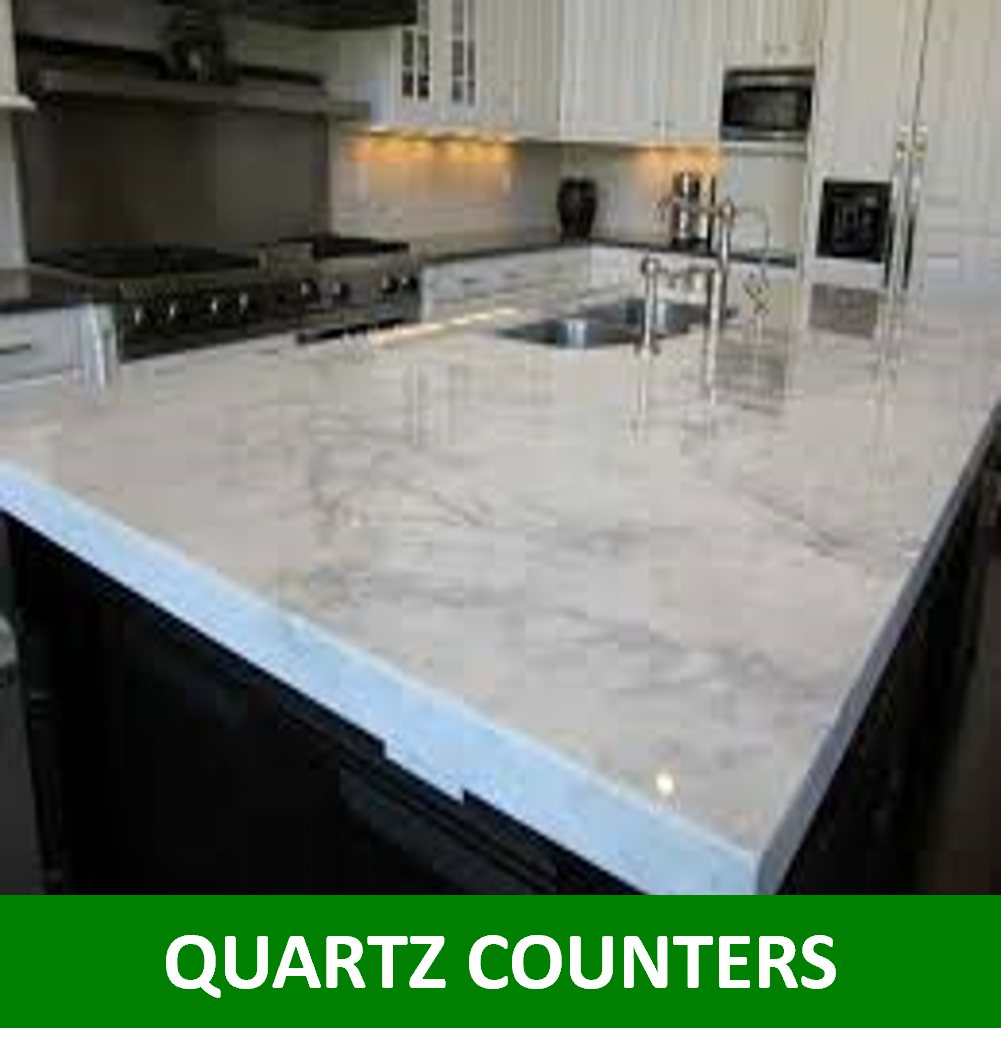
Kitchen Countertops
Quartz, granite, quartzite, and natural stone countertops for Prescott kitchens.
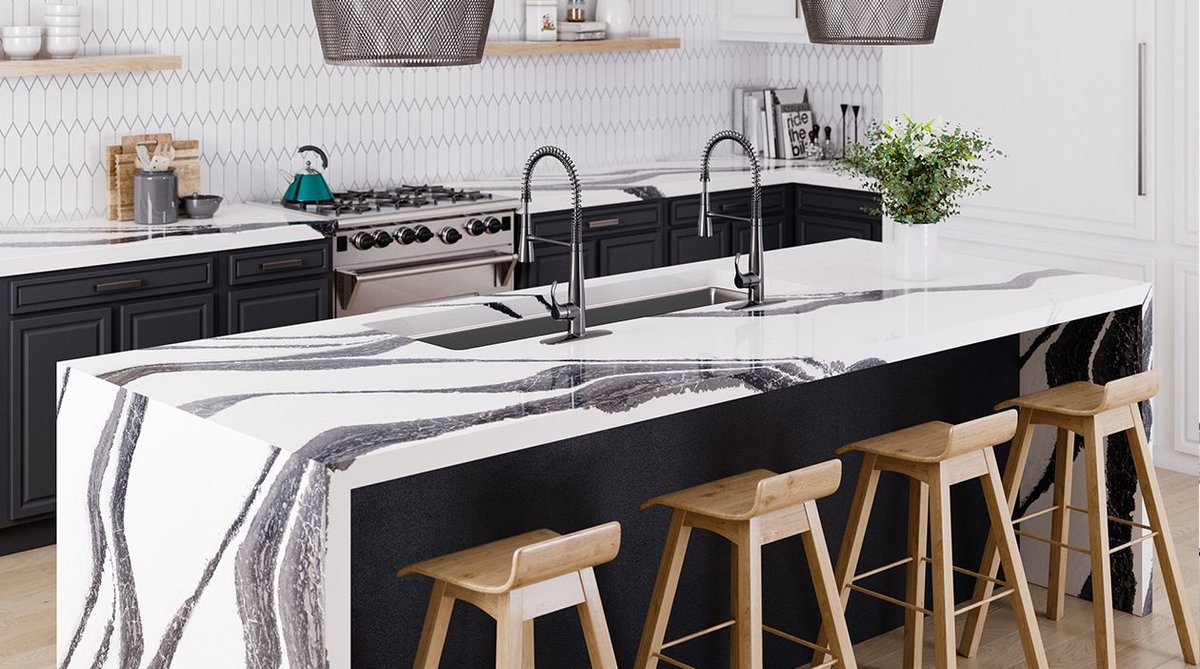
2026 Kitchen Design Trends
What's in, what's fading, and what's genuinely timeless for Arizona kitchens.