Garage Conversion vs. Home Addition: Cost, Permits & ROI in AZ
Published June 15, 2026 • 7 min read
Part of our Material & Product Comparisons — see all 16 guides in this category.
Adding livable space to a Prescott home comes down to two realistic options: convert existing space (a garage) or build new space (a home addition). Both add square footage, but they differ significantly in cost, timeline, and what they do to your property's value and functionality. Here's the honest comparison.
Garage Conversion: What It Actually Involves
A garage conversion — converting an attached garage into finished livable space — typically involves:
- Insulating the garage walls, ceiling, and floor (garage slabs are typically uninsulated concrete)
- Adding or upgrading HVAC to condition the new space
- Adding electrical circuits appropriate for livable space (GFCI, arc-fault, lighting circuits)
- Installing drywall, flooring, and finishes
- Potentially adding a bathroom or kitchenette (plumbing adds significant cost)
- Filling the garage door opening with a wall (framing, insulation, exterior finish, possibly a window)
What you gain: an extra bedroom, office, guest suite, or in-law apartment using existing enclosed square footage — no new foundation, no new roofline, typically less structural complexity than a ground-up addition.
What you lose: the garage. In Prescott's market, a two-car garage has real value both for use and at resale. Losing it for equivalent livable space is not always a net positive on value.
Home Addition: What It Actually Involves
A home addition adds new square footage to the building's footprint or adds a second story. The work typically involves:
- Foundation work (poured concrete or engineered pier system)
- Framing, roofing, and exterior finish to match the existing home
- All rough-in trades: plumbing, HVAC, electrical
- Full interior finish (insulation, drywall, flooring, trim, fixtures)
- Structural engineering when tying into the existing structure
- Possible utility upgrades (service panel, plumbing main line) depending on scope
An addition is a more complex project than a garage conversion by every measure — longer timeline, higher cost per square foot — but it doesn't sacrifice existing functionality and can be positioned anywhere on the lot where setbacks allow.
Cost Comparison
| Factor | Garage Conversion | Home Addition |
|---|---|---|
| Basic (no plumbing) per sq ft | $50–$90 | $150–$250 |
| With full bathroom added | $90–$160 per sq ft | $200–$300 per sq ft |
| Typical 2-car garage (440 sq ft) | $25,000–$65,000 | $66,000–$132,000 |
| Timeline | 6–12 weeks | 4–8 months |
ADU Consideration: Converting Garage to a Rental Unit
A garage conversion that includes a kitchen, full bathroom, and separate entrance becomes an Accessory Dwelling Unit (ADU) — a separate livable unit on the same property. ADUs have specific zoning requirements in Prescott and Yavapai County:
- ADU size limits and setback requirements apply
- Owner-occupancy requirements may apply depending on zoning district
- The ADU must meet all applicable building codes for habitable space, including egress windows and fire separation
- Short-term rental (Airbnb) is subject to additional licensing requirements in Arizona
If rental income is the goal, clarifying the zoning and ADU requirements before starting design is essential — the requirements directly affect what can be built and where.
ROI Comparison in Prescott's Market
The ROI picture in Prescott is nuanced:
- Garage conversion: Adding a bedroom or office returns roughly 50–65% of cost in market value — the conversion adds square footage but removes a garage that buyers want. In Prescott's market where single-level living is preferred (retirement demographic), the trade-off can actually be positive if the conversion adds a bedroom to an undersized home.
- Home addition: A well-executed addition adding a primary suite or additional bedroom returns 55–75% of its cost in market value. At 300+ square feet, the addition meaningfully changes the home's size category in comps — important for appraisal.
- ADU garage conversion: If rented, the ROI calculation changes entirely — the rental income stream can produce a very strong return over time, independent of appraisal value.
Frequently Asked Questions
Can I convert my garage without losing the garage door appearance?
Yes — some garage conversions maintain a faux garage door appearance on the exterior (using a paneled wall treatment or a non-functional door panel) while the interior is fully finished as livable space. This is often required by HOAs and can maintain curb appeal. It adds approximately $2,000–$5,000 to the conversion cost compared to a standard wall infill.
Do I need a foundation for a home addition in Prescott?
Yes. In most cases, a home addition requires a continuous perimeter foundation or engineered pier system connecting to the existing foundation system. The City of Prescott's requirements follow the IRC (International Residential Code) and local amendments. Frost depth isn't a major factor at Prescott's climate (minimal freeze-thaw cycle), but proper footing depth (typically 18"–24" below grade) is required for soil bearing.
Which is faster: garage conversion or home addition?
Garage conversion — significantly. A standard garage conversion takes 6–12 weeks from start to completion. A home addition takes 4–8 months. If timeline matters (a relative is moving in, a home office is needed urgently), the garage conversion has a clear speed advantage.
What if my garage slab is lower than the house floor?
This is common — attached garages are often 4"–8" lower than the house floor for drainage and code reasons. Options: pour a mud slab on top of the existing slab to raise the floor level (adds $3,000–$6,000), use a floating floor system above the slab, or accept a step down from the main house into the converted space (which may limit accessibility). We assess the existing slab level in every garage conversion consultation before producing a design.
Thinking About Adding Space to Your Prescott Home?
We handle both garage conversions and home additions. Schedule a free consultation and we'll assess your property and give you honest guidance on both options.
Schedule a Free ConsultationRelated Resources
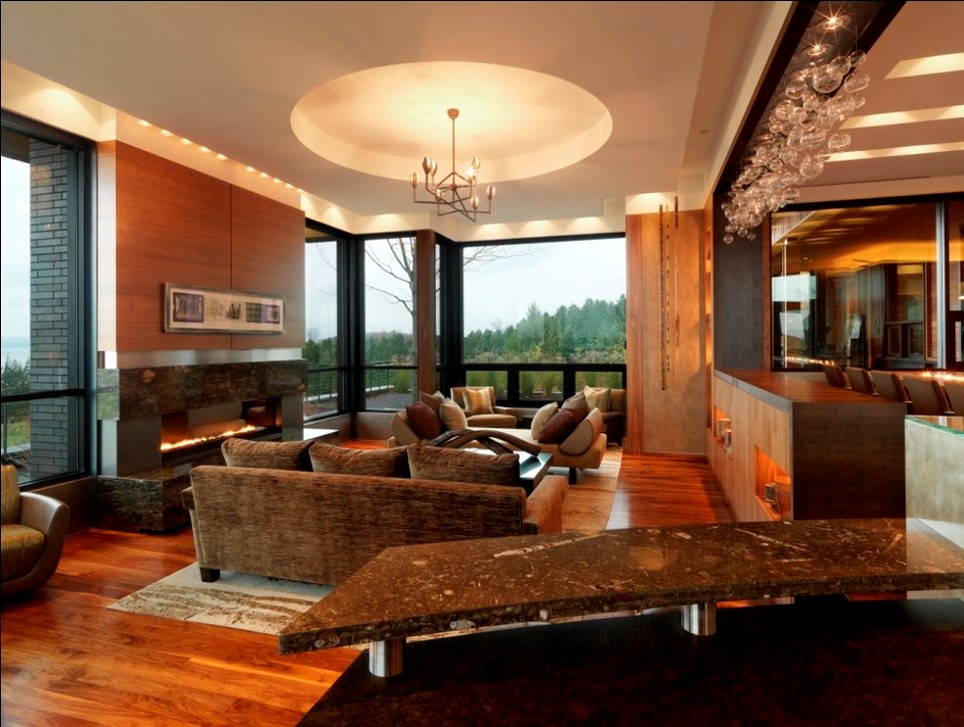
Garage Conversion / ADU Service
Our garage conversion and accessory dwelling unit service in Prescott.
Home Additions Service
Design-build home additions in Prescott — primary suites, bedroom additions, and more.
Whole House Remodel Planning
Where to start and how to plan if you're considering a larger whole house scope.