How to Plan a Kitchen Remodel Without Losing Your Mind
Updated June 5, 2026 • 9 min read
Part of our Kitchen Design & Planning Guides — see all 8 guides in this category.
A kitchen remodel is one of the most complex projects a homeowner can take on. There are more decisions, more moving parts, and more potential for cost overruns than almost any other room in a house. But the homeowners who navigate it without a meltdown share one thing in common: they make decisions in the right order. This guide walks through exactly that — the right sequence for planning a kitchen remodel from initial idea to the day demo begins.
Step 1: Define Your Goals Before You Talk Budget
Before you price anything, write down what you actually want the kitchen to do. "I want it to look nicer" is not useful. These questions are:
- What doesn't work about the current kitchen? (too little storage? poor flow? dated finishes? wrong appliance location?)
- How long do you plan to stay in the home? (5 years vs. 20 years changes the math on every decision)
- Are you optimizing for resale value, personal enjoyment, or both?
- Do you want to change the layout, or just update finishes and materials in the existing footprint?
- Are there any non-negotiables? (specific appliance, specific countertop material, specific feature)
This 20-minute exercise prevents the most common remodel mistake: spending money on the wrong things because you started with a design before you understood the problem.
Step 2: Set a Realistic Budget — With a Contingency
In Prescott, AZ, here are realistic budget ranges for kitchen remodels in 2025–2026:
- Cosmetic refresh (no layout change, no cabinet replacement): $8,000–$20,000. Countertops, backsplash, hardware, paint, faucet.
- Mid-range remodel (same layout, new cabinets, countertops, appliances): $35,000–$65,000 for a typical 10×12 kitchen.
- Major remodel (layout change, structural work, premium materials): $65,000–$120,000+.
Always budget 15–20% contingency above your primary number. Hidden conditions (subfloor damage, outdated wiring, galvanized plumbing) are discovered at demo — they can't be priced in advance. A contingency isn't waste; it's insurance against project stress.
Step 3: Research Before You Meet Contractors
Spend 2–3 weeks looking at real project photos before your first contractor meeting. Identify:
- 3–5 kitchens you love and can point to in photos
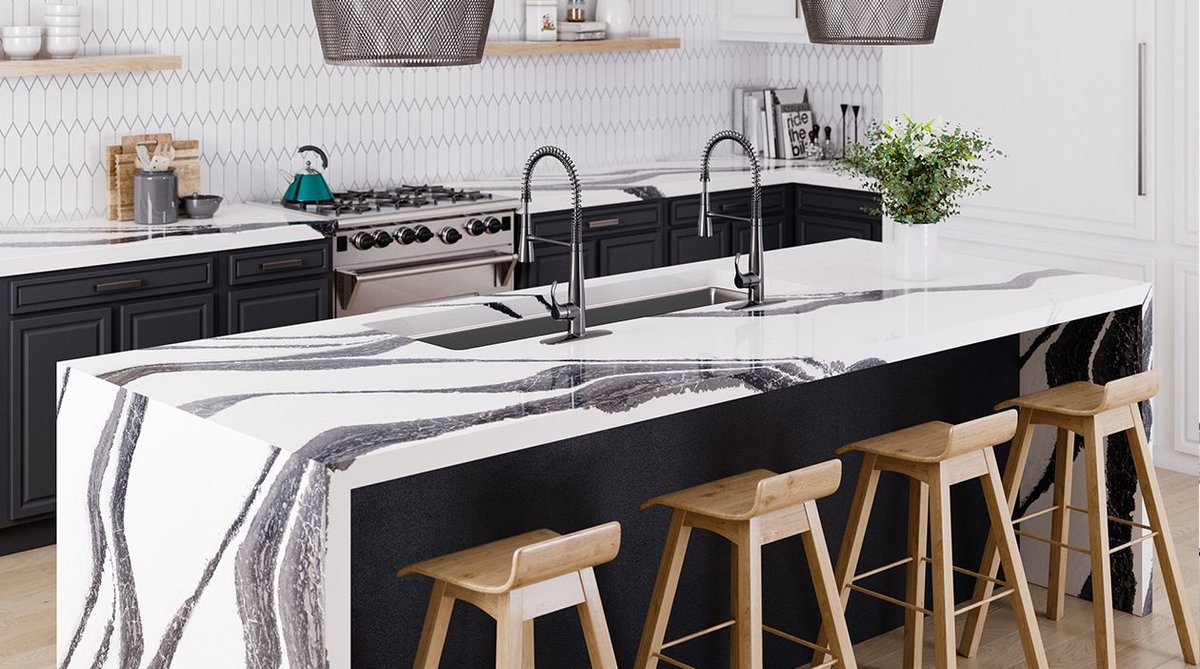
- The specific elements that appeal to you in each (the cabinet color, the countertop movement, the backsplash scale)
- Your deal-breakers (finishes or features you actively dislike)
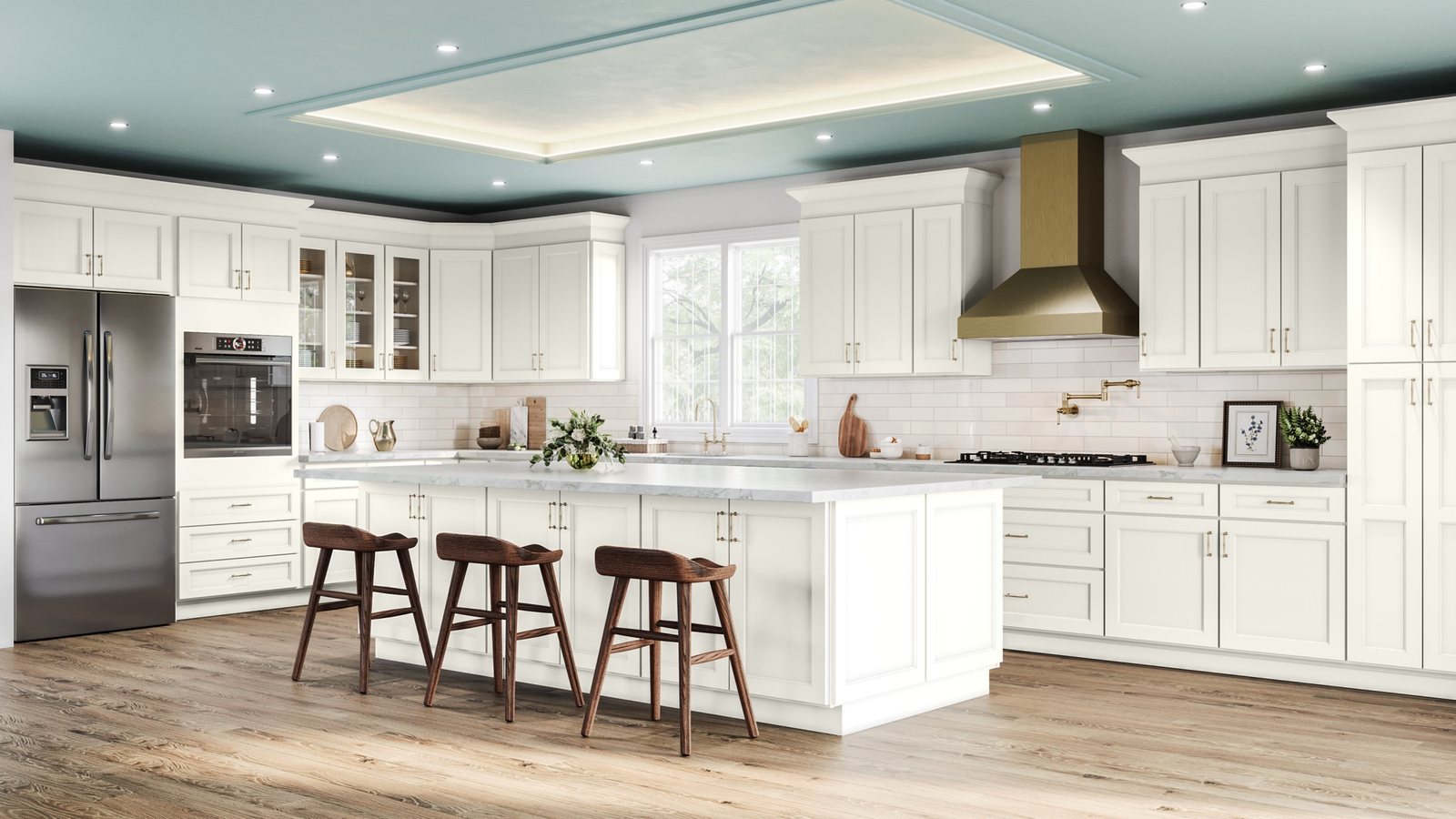
When you can show a contractor specific photos, you get dramatically better estimates and design conversations. "I like white shaker cabinets with quartz countertops and a marble-look backsplash" is actionable. "I want something modern but warm" is not.
Step 4: Choose Your Contractor Before Finalizing Your Design
Many homeowners finalize a detailed design, then try to find a contractor to build it. This creates problems: the design may not reflect local material availability, the contractor may have suggestions that would improve the design, and you've wasted time on a plan you may need to revise.
Instead, meet with 2–3 contractors early in the process with your goals and rough budget. A good contractor will help you understand what's achievable in your range and may suggest design approaches you hadn't considered. The design should be collaborative, not handed over as a finished document.
When evaluating contractors in Prescott:
- Verify ROC license at roc.az.gov (ask for the number — ours is #339999)
- Ask for a Certificate of Insurance naming you as additionally insured
- Get a written contract with scope, timeline, and payment schedule
- Check Google reviews from projects in the past 12 months
Step 5: Lock in All Selections Before Ordering Anything
The most expensive mistake in a kitchen remodel is changing your mind after ordering. Changes to cabinet orders can trigger restocking fees of 20–35% of the original order and reset your lead time by weeks. Changes to countertop fabrication after templating restart the process.
Before placing any order, you should have finalized:
- Cabinet style, door profile, finish/paint color, and hardware
- Countertop material and specific slab or color selection
- Backsplash tile, pattern, and grout color
- Appliances — exact model numbers (dimensions drive cabinet layout)
- Flooring material and installation pattern
- Sink and faucet model
- Lighting fixtures
This level of specificity feels like overkill before demo. It isn't. Carry a sample packet with all your physical selections — tile, cabinet door sample, countertop sample, hardware — and hold them together. You're looking for harmony, not perfection in isolation.
Step 6: Permits
As a licensed contractor, Infinity Kitchens and Baths handles all required permits and inspections for your project.
Step 7: Prepare Your Home for Construction
Before demo day:
- Set up a temporary kitchen: countertop microwave, mini-fridge, electric hotplate, paper plates. You'll use this for 2–4 weeks.
- Remove all items from cabinets and drawers — you, not the crew.
- Clear the adjacent dining area and any space the crew will need to move materials through.
- Protect flooring in adjacent rooms with rosin paper or plastic if they're carpet or hardwood.
- Have a plan for pets — construction noise and open doors are stressful and dangerous for animals.
- Communicate clearly with neighbors if you're in an HOA community or have shared walls — construction noise starts early.
The Kitchen Remodel Planning Checklist
Before You Meet a Contractor
- ☑ Write down what doesn't work about your current kitchen
- ☑ Define your goals (resale vs. lifestyle, layout change vs. cosmetic)
- ☑ Collect 3–5 kitchen photos you love
- ☑ Set a rough budget range with 15% contingency built in
- ☑ Check multiple contractors' ROC status at roc.az.gov
During the Planning Phase
- ☑ Finalize cabinet style, color, and hardware
- ☑ Select countertop material and specific slab/color
- ☑ Choose appliances (exact model numbers)
- ☑ Select backsplash tile and grout color
- ☑ Choose flooring, sink, faucet, and fixtures
- ☑ Hold all physical samples together to confirm harmony
- ☑ Sign written contract with scope, timeline, and payment schedule
Before Demo Day
- ☑ Set up temporary kitchen (microwave, mini-fridge, hotplate)
- ☑ Empty all cabinets and drawers yourself
- ☑ Clear work zone and adjacent areas
- ☑ Protect adjacent flooring
- ☑ Plan for pets during construction hours
- ☑ Confirm cabinet delivery date, permit status, and crew start date with contractor
Frequently Asked Questions
How far in advance should I start planning a kitchen remodel?
For a mid-range kitchen remodel, start the planning process 3–5 months before your target demo date. Custom cabinets can take 8–12 weeks to arrive after ordering, and the planning and selection process itself takes 4–8 weeks when done properly. Rushing this phase is one of the top causes of mid-project regret.
What's the most common planning mistake you see?
Selecting materials based on photos without seeing them in person, particularly countertops. Quartz and granite slabs look very different on a computer screen than in person under natural light. We always recommend visiting the stone yard and looking at full slabs before committing — the sample card at a showroom doesn't tell you what the full slab looks like.
Should I buy my own appliances or let the contractor handle it?
Either works, but if you buy your own, coordinate early. Your contractor needs the exact model dimensions to order correctly-sized cabinet cutouts (for a range, refrigerator panel, or microwave trim kit). Order appliances as early as possible — some models have 8–14 week lead times from dealers.
What's the biggest source of cost overruns?
Hidden conditions discovered at demo, followed by scope changes made after ordering. Roughly 60% of kitchen remodel budget overruns come from one of these two causes. Hidden conditions are unavoidable — that's what contingency is for. Scope changes are almost always avoidable with thorough upfront planning.
Ready to Start Planning Your Kitchen Remodel?
Let's start with a free consultation — we'll walk your kitchen, answer your questions, and give you a realistic picture of costs and timeline.
Schedule a Free Consultation