Bathroom Vanity Buying Guide: Sizes, Styles & Materials
Published May 13, 2026 • 7 min read
Part of our Bathroom Design & Planning Guides — see all 8 guides in this category.
The vanity is the most visible element in most bathrooms — and one of the most technically involved to get right. Size, mounting style, countertop material, sink configuration, and storage all interact. Get any one of them wrong and you have a functional or visual problem that's expensive to undo. This guide covers what actually matters when choosing a bathroom vanity for a Prescott remodel.
Standard Vanity Sizes
Bathroom vanities come in standard widths that correspond to common bathroom layouts. Height is typically 34"–36" (consistent with kitchen counters), and depth is typically 21"–22" for standard vanities and 18" for space-saving versions.
| Width | Best For | Sink Configuration |
|---|---|---|
| 24" | Half baths, tight powder rooms | Single sink only |
| 30" | Small full baths, guest baths | Single sink |
| 36" | Standard full baths | Single sink, some storage |
| 48" | Primary baths, more counter space | Single sink, ample storage |
| 60" | Primary baths, two users | Single or double sink |
| 72" and wider | Spacious primary baths, his-and-hers | Double sink standard |
The most common mistake in vanity selection is choosing a vanity that's too small for the space — or ordering a double sink vanity for a bathroom where the plumbing isn't centered. If you're doing a remodel, verify where the drain rough-in is before ordering, since moving drain locations adds $300–$600 to plumbing costs.
Freestanding vs. Floating vs. Built-In
Freestanding Vanity Cabinets
The most common type — a cabinet unit that sits on the floor with legs or a base. This is the simplest to install (no wall anchoring required beyond the countertop and plumbing), fits the most standard bathroom layouts, and offers the most storage in the base cabinet. The visual downside is that cleaning under and around the base requires moving the unit or mopping under it.
Floating (Wall-Mounted) Vanities
A floating vanity is anchored to the wall studs with no floor contact. The floor is fully visible beneath it, which visually expands small bathrooms, makes cleaning easier, and allows adjustable mounting height (useful for accessibility or taller users). The structural requirement is solid wall framing — we typically add a horizontal wood ledger or blocking between studs to distribute the load properly.
Floating vanities also tend to look more contemporary and are often specified in modern and transitional bathroom designs. The trade-off is that they provide slightly less storage than a comparable freestanding vanity (no base to the floor), and installation takes longer.
Custom Built-In Vanities
A custom-built vanity is framed into the wall like kitchen cabinetry — fully integrated with the wall, floor, and adjacent elements (side walls, linen storage, medicine cabinet). This reads as the most finished, most "designed" option and allows sizes that don't correspond to any standard dimension. The cost premium over a stock or semi-custom freestanding vanity is $1,500–$4,000+ depending on size and material.
Countertop Material Options
Quartz
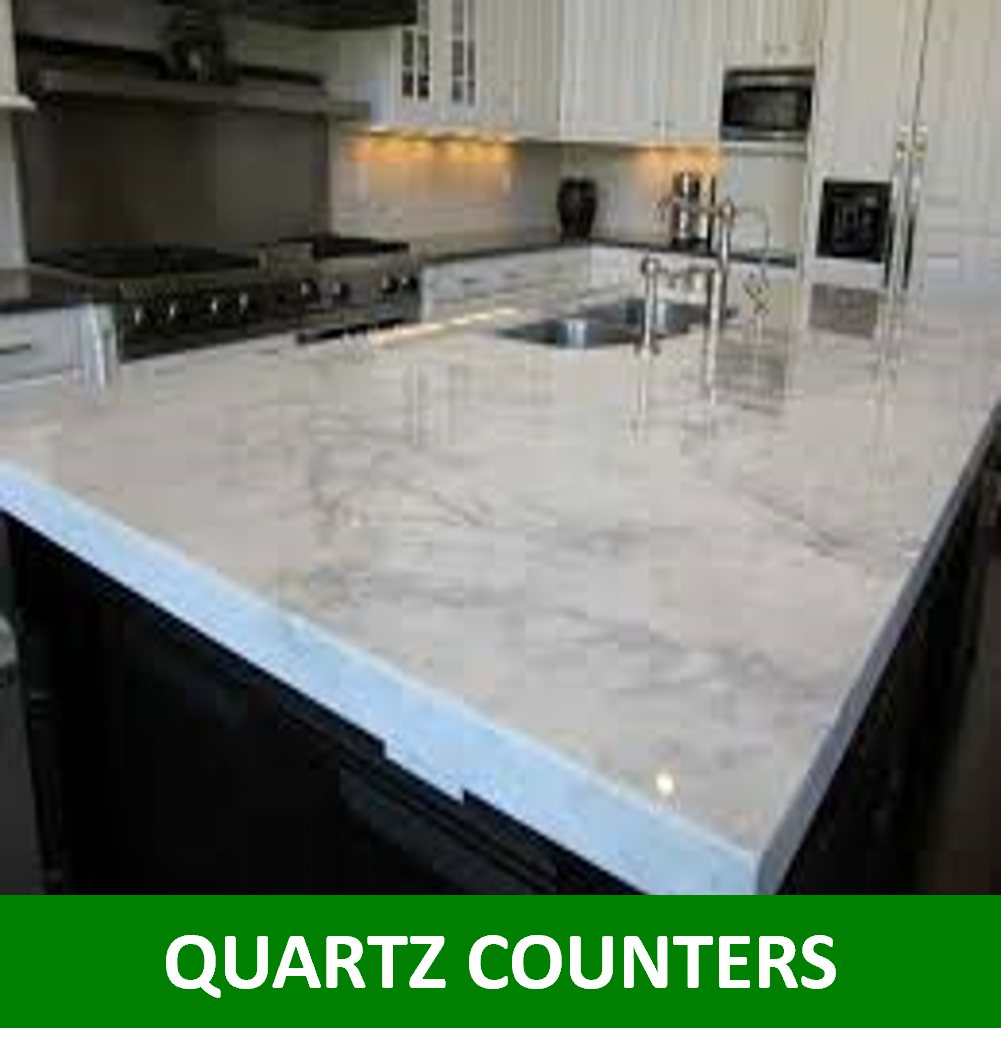
Quartz is the most practical choice for bathroom vanities: non-porous (no sealing required), resistant to water and most cleaners, available in hundreds of colors and patterns, and consistent in appearance (unlike natural stone, there's no variation between slabs). This is what we recommend for most primary bathroom vanities in Prescott. The main limitation is that harsh chemicals and heat can damage the resin binders — avoid drain cleaner and setting hot styling tools directly on the surface.
Natural Stone (Marble, Granite)
Marble vanities are beautiful and create a genuine luxury feel that no engineered material fully replicates. The realistic maintenance requirement for marble in a Prescott bathroom: seal at installation and every 6–12 months, wipe water and soap off the surface rather than allowing pooling, avoid any acidic cleaners. Granite is less porous than marble and easier to maintain. If the clients are willing to maintain natural stone correctly, the result is genuinely special. If not, the surface will etch and stain within a year.
Cultured Marble
Cultured marble is a polyester resin composite that's molded into a single vanity top and integral sink — one seamless piece with no seam at the sink joint. It's affordable, easy to clean, and eliminates the potential leak point at the sink cutout. The limitation is that it's difficult to repair when scratched or chipped, looks less premium than stone or quartz, and is harder to customize. Best suited for secondary bathrooms and lower-budget remodels.
Porcelain Vessel Sinks
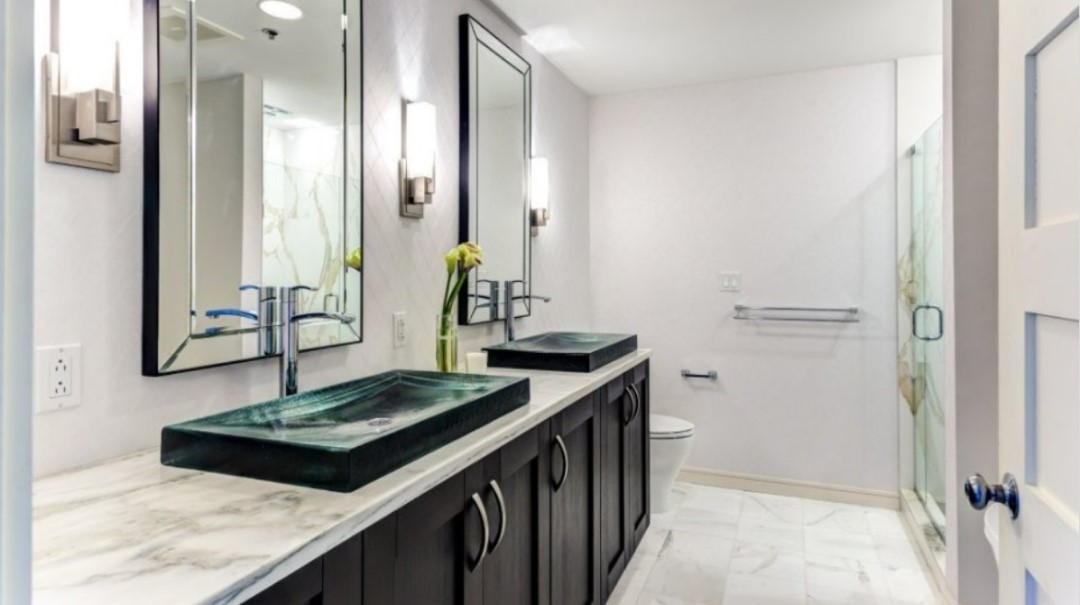
Vessel sinks sit on top of the vanity surface rather than dropping in or undercutting. They create visual interest and work particularly well with floating vanities. The functional considerations: faucets must be selected for vessel height (tall body, typically 8"–12" spout height), the vanity counter height should be reduced by 3"–4" if a vessel sink is used (so the total height including the vessel lands at 34"–36"), and cleaning around the base of the vessel where it meets the counter requires attention.
Single vs. Double Sink
The decision between a single and double sink in a primary bathroom is practical, not just aesthetic. Two considerations that often resolve the question:
- Counter space vs. sink space: A 60" vanity with two sinks has roughly 8"–10" of counter space on each side of each sink — not much. A 60" vanity with one sink (offset or centered) has one full side with substantial counter space. For a household where one person uses the bathroom at a time, a single sink with more counter is often more useful.
- Plumbing cost: Two sinks require two drain connections and two faucet valve connections. If the plumbing isn't already roughed in for a double sink, adding the second drain and supply lines adds $400–$700. If you're doing a full remodel anyway, this cost is absorbed more easily than in a targeted vanity swap.
Storage Planning
Most standard vanities have a single open bay or two to four drawers. What actually serves bathroom storage best varies significantly by household. Ask yourself before selecting a vanity:
- Drawers (for everyday items, hair tools, makeup) vs. cabinets (for taller bottles, hair dryers, cleaning supplies)
- Need for a medicine cabinet (built-in or surface-mounted above the vanity — doubles usable storage)
- Linen tower or side cabinet if the width allows
- Organizational inserts: drawer dividers, pull-out shelves in base cabinets
Frequently Asked Questions
How much does a new bathroom vanity cost installed in Prescott?
A stock vanity with countertop, sink, and installation runs $800–$2,500. A semi-custom or higher-end stock vanity with quartz top runs $2,000–$5,000. A fully custom-built vanity with stone countertop runs $4,500–$12,000+. These ranges include the vanity cabinet, countertop, sink, faucet, and installation labor — they don't include plumbing rough-in modifications if the drain location needs to move.
Can I keep my existing vanity and just replace the top?
Yes, if the cabinet box is in good condition. Replacing just the countertop and sink is a good mid-range option for a bathroom refresh — it eliminates the largest cost item (the cabinet) while still updating the visual focal point. You'll need to verify the existing cabinet dimensions to ensure a standard top fits, or have a custom top fabricated.
What height should my vanity be?
Standard vanity height is 32"–34" (older) and 34"–36" for newer "comfort height" vanities. For most adults, 36" is more comfortable — it reduces the need to bend over the sink. For children's bathrooms, consider 32"–34". If you're incorporating aging in place features, confirm the height works for the user; ANSI/ADA accessible height for a forward-reach sink is 34" maximum.
How long does vanity installation take?
Swapping an existing vanity for a new prefabricated unit typically takes 4–8 hours (demo, plumbing adjustment, set cabinet, connect plumbing, caulk). If a custom countertop is being fabricated, add 1–2 weeks for templating and fabrication before installation day. If the existing plumbing needs to move, add 4–6 hours for rough-in modifications.
Ready to Update Your Bathroom Vanity?
We carry vanity samples and countertop options in-showroom. Schedule a free consultation to find the right fit for your bathroom and budget.
Schedule a Free Consultation