Bathroom Flooring Options: What Works Best in Arizona's Climate
Published May 20, 2026 • 6 min read
Part of our Bathroom Design & Planning Guides — see all 8 guides in this category.
Bathroom flooring selection involves a short but unforgiving list of requirements: moisture resistance, slip resistance, durability, and comfort underfoot. Arizona's climate adds two more variables: temperature extremes and hard water. This guide covers the flooring options we actually install in Prescott bathrooms and the considerations that typically drive the decision.
Prescott-Specific Climate Factors
Before comparing materials, a few climate factors that matter for bathroom flooring in the Yavapai County area:
- Temperature swings: Prescott sees genuine temperature variation — below freezing in winter, up to 95°F in summer. Flooring materials that expand and contract significantly (some LVP products, hardwood) need proper acclimation and expansion gaps.
- Hard water: Prescott's water supply comes from a limestone aquifer. High calcium and magnesium content means mineral deposits (calcium scale) form on grout lines and light-colored tile surfaces faster than in soft-water regions. This affects both material selection (lighter grout shows scale more) and cleaning requirements.
- Dry climate baseline: Despite the monsoon season, Prescott's baseline humidity is low. This works in favor of natural wood and some LVP products that could be problematic in high-humidity coastal markets.
Material Comparison
Porcelain Tile
Porcelain tile is the most versatile and durable bathroom flooring option available. It's fully waterproof, doesn't expand or contract meaningfully with temperature change, resists staining without sealing, and is available in virtually every aesthetic (stone looks, wood looks, concrete, geometric patterns). Slip resistance varies by finish — matte and textured surfaces provide better grip than polished. For a wet shower floor specifically, select tile with a DCOF rating of 0.42 or higher.
The trade-offs: it's the most labor-intensive to install (requires cement board underlayment, thinset, grout), it's the hardest underfoot (standing on tile for long periods is less comfortable than other options), and it's the coldest to step on first thing in the morning — an issue addressed by radiant heat under the tile.
Cost range installed: $8–$20/sq ft for standard porcelain; $14–$30/sq ft for premium large-format or specialty tile.
Luxury Vinyl Plank (LVP)
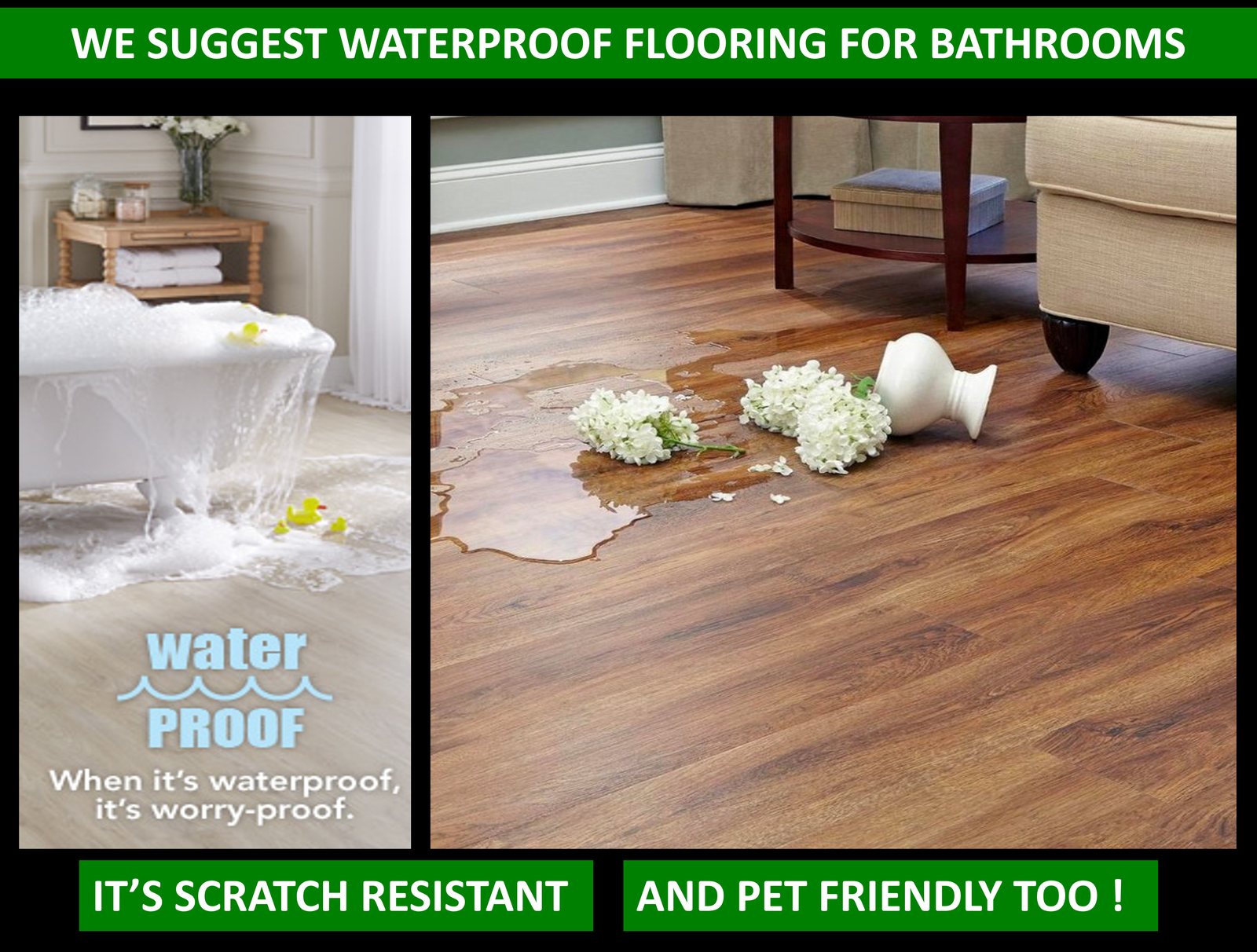
LVP has taken significant market share in bathroom flooring over the past decade for good reason: it's 100% waterproof (core and all), comfortable underfoot (softer and warmer than tile), easy to install, and available in convincing wood-look formats. It's also significantly easier to replace than tile if a section is damaged.
The considerations specific to Arizona: LVP has a thermal expansion coefficient that responds to temperature — in direct sun exposure or rooms that heat to 90°F+, some LVP products can buckle if installed without adequate expansion gaps. For Prescott bathroom floors (not in direct sun), this is rarely a problem. Choose a product rated for temperature range from 40°F–100°F and acclimate the planks in the room for 48 hours before installation.
LVP is appropriate for bathroom floors outside the shower area (the main floor, around the toilet, under the vanity). We don't recommend LVP for shower floors — the shower floor needs tile with proper slope and drain integration.
Cost range installed: $5–$12/sq ft for standard LVP; $8–$16/sq ft for premium thicker-core products.
Natural Stone (Travertine, Slate, Limestone)
Natural stone bathroom floors create a visual warmth and authenticity that no manufactured product fully replicates. Travertine, in particular, is extremely popular in Arizona homes — it reads warm and organic rather than cool and modern, and it's been used in the Southwest long enough to feel at home in Prescott architecture.
The maintenance reality in a hard-water market: natural stone requires sealing at installation and annually thereafter. Travertine's open pores absorb water, soap, and calcium scale if left unsealed. In Prescott's hard water, unsealed travertine in a bathroom will show white calcium staining within weeks. If sealed and maintained, it lasts for decades and looks better with age.
Slate is more dense and less porous than travertine — a lower-maintenance natural stone option with a rougher texture that provides natural slip resistance.
Cost range installed: $10–$25/sq ft for travertine or slate; $18–$40/sq ft for premium marble.
Ceramic Tile
Ceramic tile is a step below porcelain in density and water resistance (higher water absorption rate, more susceptible to cracking under impact), but it's significantly more affordable and appropriate for bathroom floors in lower-traffic bathrooms, guest baths, or areas where budget is the primary driver. Not suitable for shower floors, where porcelain's non-porosity matters more.
Cost range installed: $5–$12/sq ft.
| Material | Waterproof | Sealing Required | Hard Water | Cost/sq ft (installed) |
|---|---|---|---|---|
| Porcelain tile | Yes | No | Excellent | $8–$30 |
| LVP | Yes | No | Good | $5–$16 |
| Natural stone | No (porous) | Yes, annual | Needs sealing | $10–$40 |
| Ceramic tile | Mostly | No | Good | $5–$12 |
Radiant Heat Under Bathroom Floors
Tile's most significant comfort drawback — cold underfoot — is solved by electric radiant heat under the tile. A thermostat-controlled heating mat is installed below the tile during the bathroom remodel. The result is a warm tile floor that responds within 15–20 minutes of activation. In Prescott's cold winters, this upgrades the bathroom experience significantly at a one-time installation cost of $600–$1,500 depending on floor area.
Radiant heat works with tile and natural stone. It is not compatible with standard LVP (the heat can damage the vinyl core) — some specific LVP products are rated for radiant heat but require verification with the manufacturer.
Grout Considerations for Prescott Hard Water
Grout color choice matters more in Prescott than in most markets because of the calcium scale from hard water. The practical guidance:
- Avoid white or very light grout on floors: Calcium deposits are white-ish. On a white grout floor, the buildup is nearly invisible until it's a thick layer. On medium grey grout, regular cleaning removes it before it accumulates.
- Epoxy grout is worth the premium: Epoxy grout is non-porous — calcium scale sits on the surface rather than absorbing in. Much easier to clean than cement grout in hard water areas.
- Sealed cement grout is second choice: If epoxy isn't in the budget, seal cement grout at installation and annually. Medium grey or tan colors hide buildup better than white.
Frequently Asked Questions
Can I put LVP in a bathroom with a shower?
Yes — on the main bathroom floor around the shower, under the vanity, and around the toilet. Not inside the shower floor, where tile with proper slope and drain integration is required. The transition between the LVP bathroom floor and the tile shower floor is typically handled with a threshold or flush transition strip.
Is heated tile flooring worth it in Prescott?
If you spend any meaningful time barefoot in your bathroom during winter mornings, yes. Prescott winters are genuinely cold — tile floors in November through February can be uncomfortably cold. The installation cost ($600–$1,500) is modest relative to the comfort benefit and adds negligible electricity cost when used on a timer. We install it frequently and clients universally say they'd do it again.
What's the best bathroom floor for resale value in Prescott?
Porcelain tile in a neutral color (white, grey, greige, or a warm wood-look) has the broadest appeal and the longest recognized lifespan. LVP is increasingly accepted and recognized by buyers as a quality choice in secondary bathrooms. Natural stone reads as premium but is noted by buyers as requiring maintenance. For maximum appeal at resale, porcelain in a neutral format is the consistent answer.
How long does bathroom flooring installation take?
Tile removal and new porcelain tile installation in an average primary bathroom (60–80 sq ft) takes 2–3 days including subfloor prep, setting, and grout cure time. LVP installation is faster — typically 4–6 hours once the subfloor is prepped. If radiant heat is added, add 4–6 hours for the mat installation and thermostat wiring before tile goes down.
Not Sure Which Bathroom Flooring Is Right for You?
We carry samples and can walk you through the options at a free in-home consultation. We'll assess your subfloor, layout, and goals before making a recommendation.
Schedule a Free ConsultationRelated Flooring & Bathroom Resources
LVP Flooring Service
Waterproof luxury vinyl plank flooring installation for Prescott homes.
LVP vs. Tile: Full Comparison
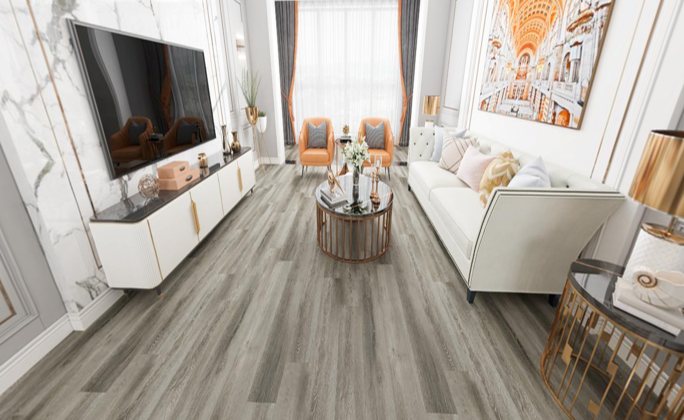
In-depth comparison of luxury vinyl plank vs. tile for Arizona bathrooms and kitchens.
Bathroom Remodel Cost
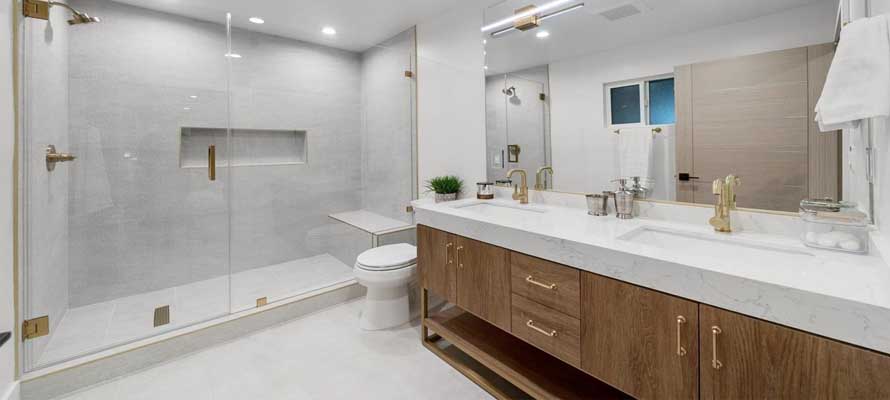
What a bathroom remodel costs in Prescott — full ranges broken down by scope.