Alcove Tub vs. Freestanding Tub: Which Is Right for Your Bathroom?
Serving Prescott, Prescott Valley, Chino Valley, and surrounding Yavapai County communities.
Part of our Material & Product Comparisons — see all 16 guides in this category.
The freestanding tub is one of the most dramatic design choices in a bathroom remodel. It's also one of the most commonly misunderstood. Before choosing one, you need to understand space requirements, plumbing implications, and whether your lifestyle actually supports it.
| Factor | Alcove Tub | Freestanding Tub |
|---|---|---|
| Space Needed | Fits in 5'x8' bathroom | Needs 6–12" clearance all sides |
| Tub Cost | $400–$800 (standard) | $800–$3,500+ |
| Installation Cost | $500–$1,500 | $1,000–$3,000+ |
| Shower Option | Shower-over-tub is standard | Rarely (special filler faucets) |
| Cleaning | 3 sides accessible | All sides + underneath |
| Plumbing Changes | Minimal if same location | Floor plumbing required |
| Visual Impact | Functional, blends in | Dramatic focal point |
Alcove Tubs: The Workhorse of the Bathroom
An alcove tub sits recessed into a three-wall enclosure with a finished apron on one exposed side. It's the standard configuration in American bathrooms because it makes the most efficient use of space. A 5-foot alcove tub fits in any bathroom with a 5'x8' footprint, uses wall-mount plumbing that's easy to access and repair, and functions as both a soaking tub and shower base.
When Alcove Is the Right Choice
Choose an alcove tub when: you need the tub to also function as a shower, your bathroom is under 100 sq ft, you have young children (shower-over-tub is practical for bathing kids), you want a lower-maintenance bathroom, or you want the simplest plumbing scenario. Premium alcove tubs in cast iron or acrylic with a tile surround can look genuinely beautiful — the alcove format doesn't have to be boring.
Freestanding Tubs: Statement Piece With Trade-Offs
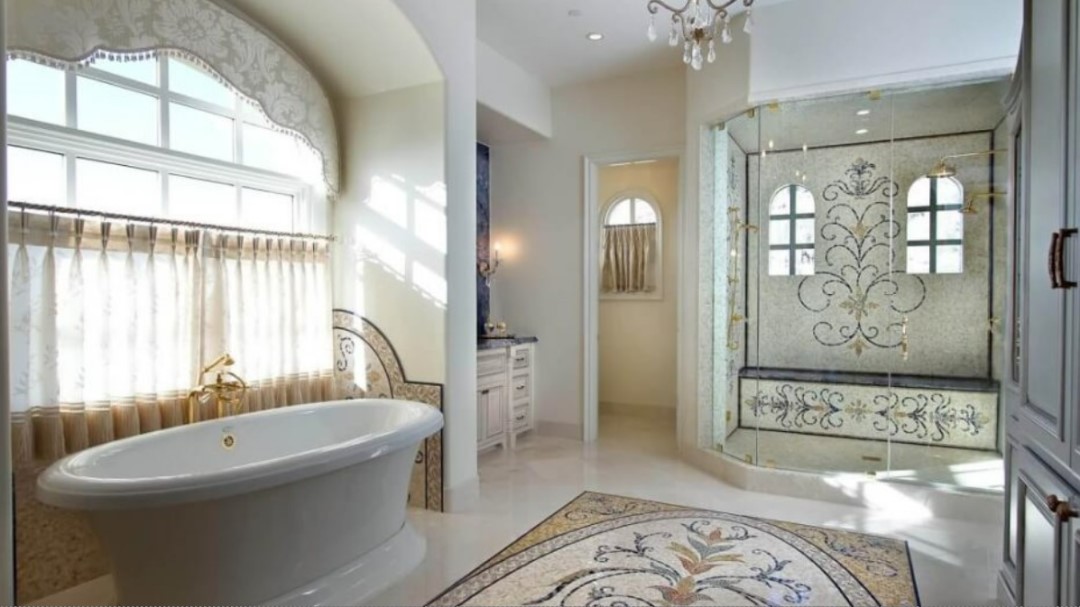
A freestanding tub is positioned away from all walls, with plumbing supply lines coming through the floor. It's the focal point of any bathroom it's placed in — and that's both its strength and its limitation.
Space Requirements You Need to Know
A freestanding tub typically requires 6–12 inches of clearance on all sides plus adequate access space at the faucet end. Most freestanding tubs are 55"–72" long and 28"–32" wide. In practice, you need a bathroom of at least 100–120 sq ft to install one without it feeling cramped. In a bathroom designed around the freestanding tub as a focal point, 150–200 sq ft is ideal.
Plumbing Implications
Unlike an alcove tub that uses existing wall supply lines, a freestanding tub requires supply lines that run through the floor. This means opening the subfloor to add or extend plumbing — adding $800–$2,000 to the project if the tub moves from the original location. Floor-mounted faucet fills (called floor mount or "freestanding tub filler") are a separate fixture and cost $300–$1,500 for quality options.
Can a Freestanding Tub Also Be a Shower?
Technically, yes — there are freestanding tub faucets with a handheld shower attachment. But it's not practical as a primary shower. You lose the enclosure, water goes everywhere, and the configuration is awkward. If you need both a tub and a shower, the typical solution is a separate walk-in shower plus a freestanding soaking tub. This requires more space and budget but delivers both functions without compromise.
Cleaning Trade-Offs
A freestanding tub needs to be cleaned on all sides, including underneath. Dust and dirt accumulate under the tub body — some styles are nearly impossible to clean beneath without a specialized tool. If low maintenance is a priority, the alcove configuration wins.
Material Options for Both Styles
Both alcove and freestanding tubs come in several materials: acrylic (lightweight, affordable, common), cast iron (heavy, excellent heat retention, durable), fiberglass (budget option, less durable), and stone resin (premium weight and heat retention, popular for freestanding). For freestanding tubs, cast iron and stone resin are the most popular because of their heat retention during soaking. For alcove tubs used primarily as showers, lightweight acrylic is fine.
Frequently Asked Questions
How much does a freestanding tub remodel cost in Prescott?
Expect $4,000–$12,000+ for a complete freestanding tub installation including tub, filler faucet, floor plumbing, tile surround, and any demo of the existing configuration. If you're also adding a separate walk-in shower, budget $12,000–$25,000+ for the combined project.
What size freestanding tub do I need?
For comfortable soaking, a tub at least 60" long and 30" wide is recommended for most adults. Soaking depth matters too — look for 18"+ interior depth for a true soaking experience. Standard alcove tubs are shallower (typically 14"–17" interior depth) because they're designed more as shower bases.
Will a freestanding tub increase my home value?
In the right primary bathroom context, yes — a freestanding tub in a well-designed, large primary bathroom can be a compelling selling feature. In a small bathroom where it looks forced, it can actually detract from value. Buyers want the tub to look intentional, not squeezed in.
Can I swap an alcove tub for a freestanding tub in the same spot?
Yes, but it requires moving the plumbing from the wall to the floor, removing the alcove surround (tile or tub wall panels), and patching the walls. The floor plumbing move is the biggest cost driver. Many homeowners moving from alcove to freestanding do it as part of a broader bathroom remodel to make the additional work worthwhile.
Planning a Bathroom with a Freestanding Tub?
We design and install alcove and freestanding tub bathrooms throughout Prescott and Yavapai County. Let's discuss what will work in your space.